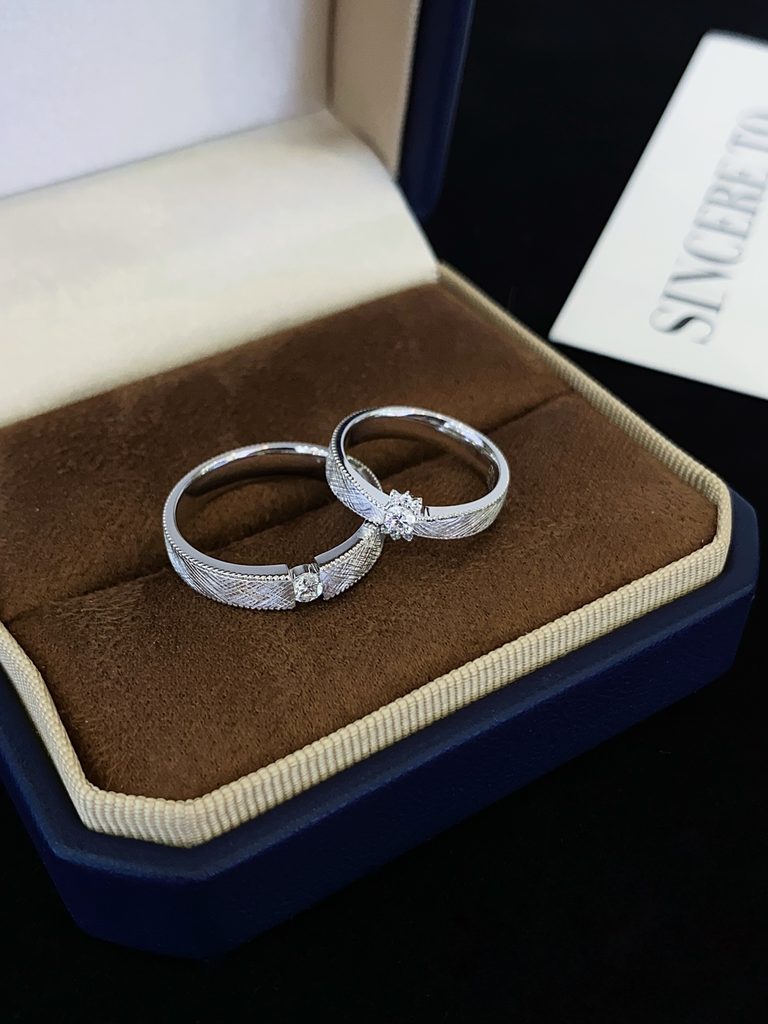
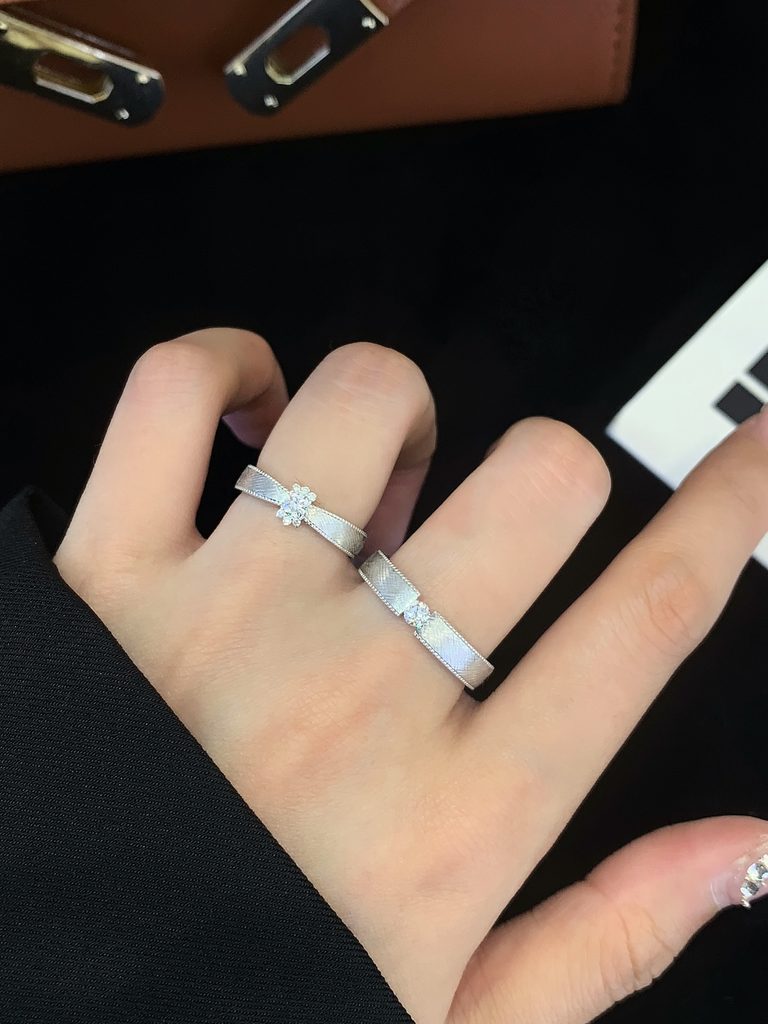
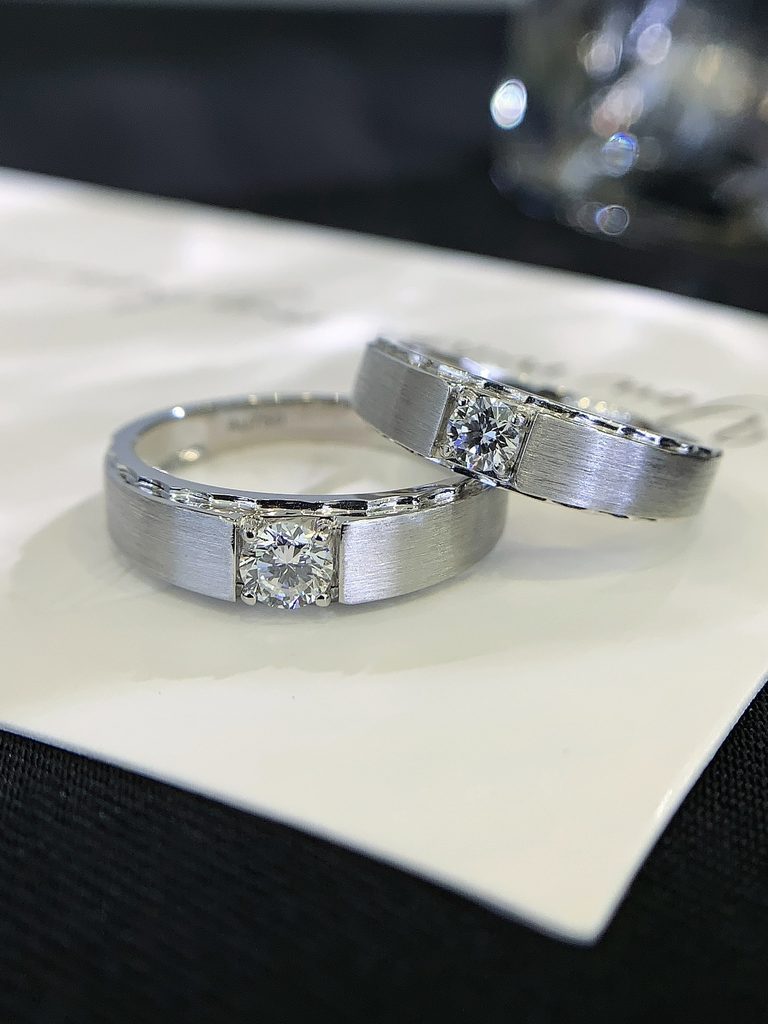
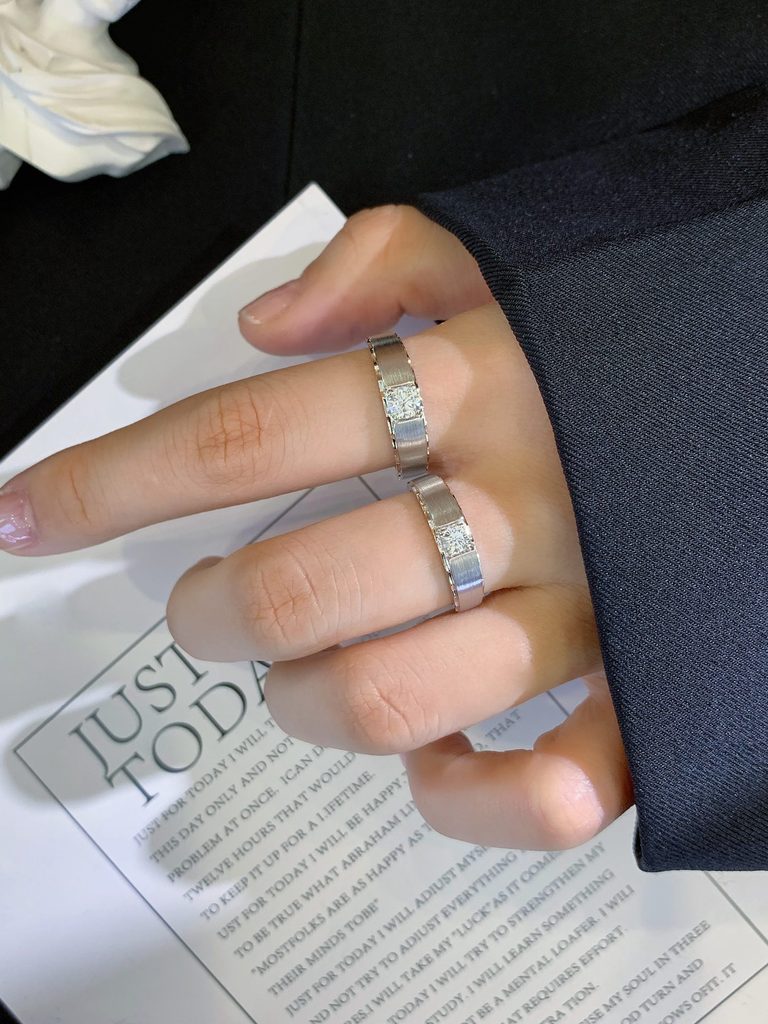
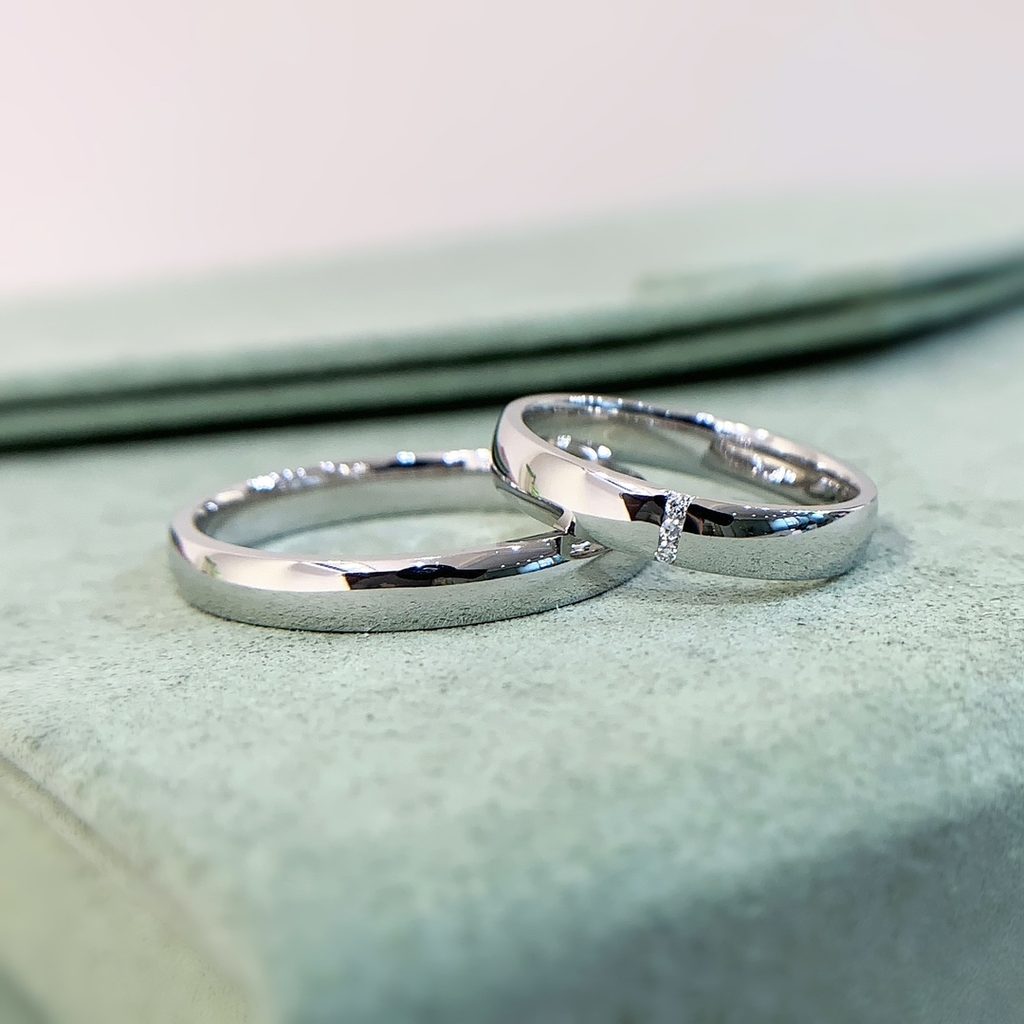
Popular Setting Styles for Fine Jewelry Retailers

Fine jewelry setting styles serve as the core bridge connecting diamond quality, wearable comfort, and consumer aesthetic demands. For jewelry retailers of all scales, selecting matched ring settings directly determines product sales conversion, customer satisfaction, and overall profit margins. As a professional jewelry manufacturer, we tailor diverse setting designs for different market positioning and consumer groups, covering mainstream wearable styles and high-end customized craftsmanship. Each setting style corresponds to distinct production processes, material standards, and market scenarios, perfectly fitting the tiered product layout of modern fine jewelry retail. Retailers can match setting styles with their store positioning to enrich product lines and accurately target segmented consumer markets.

Classic Prong Settings for Versatile Retail Assortments

Prong settings stand as the most timeless and widely adopted design in fine jewelry, favored by global consumers for their minimalist structure and maximum diamond light performance. This setting uses three to six delicate metal claws to firmly fix the center lab grown diamond, elevating the stone above the ring band to expose almost all diamond facets. Full light penetration maximizes fire and brilliance, fully showcasing the optical advantages of high-quality cultured diamonds. The simple and elegant design fits daily wear and formal occasions alike, making it a staple for bridal rings, promise rings, and daily fine jewelry.

Manufacturers optimize prong thickness, radian, and grip strength based on different product tiers to balance aesthetics and durability. Slim polished prongs deliver a sleek premium look, while reinforced thick prongs enhance stability for long-term daily wear. This versatile setting adapts to round, oval, cushion, and princess cut diamonds, supporting flexible size matching from small carat daily styles to large carat bridal pieces. It is the most cost-effective and high-conversion style for retail stores aiming for universal market coverage.
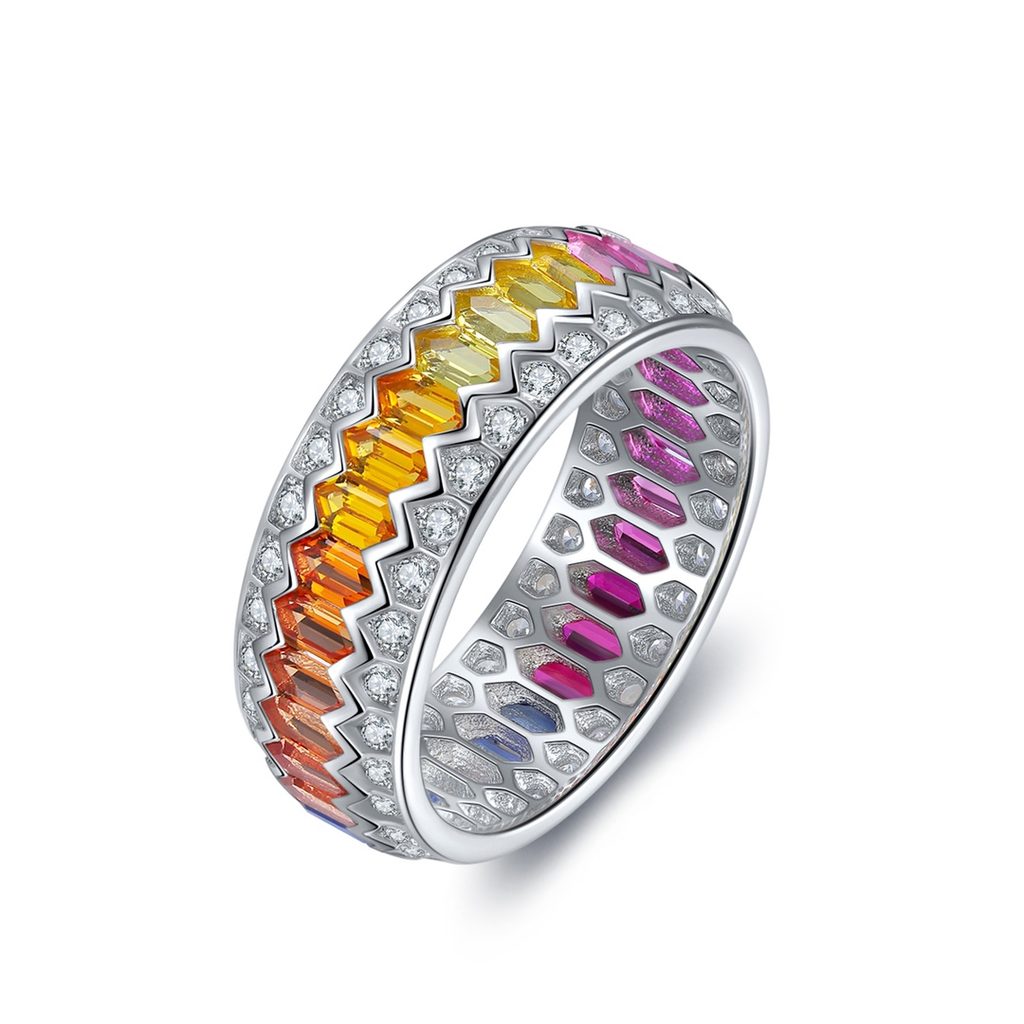
Secure Bezel Settings for Daily Wear Focused Product Lines

Bezel settings feature a full metal rim wrapping the entire diamond girdle, forming comprehensive protection for the center stone. Different from open prong designs, this enclosed structure completely avoids stone loosening, falling, or scratching, solving the core pain points of daily wear jewelry. The smooth and low-profile metal edge reduces friction with clothing and skin, making it ideal for consumers with busy lifestyles, office workers, and first-time fine jewelry buyers.

In production, we adopt precision integral polishing and seamless edge fitting technology to ensure the metal rim fits tightly with the diamond without protruding sharp corners. The streamlined circular design presents a modern and sophisticated texture, suitable for minimalist fine jewelry and casual luxury styles. Retailers focusing on daily wearable fine jewelry can prioritize this setting, as its high durability greatly reduces after-sales maintenance costs and improves customer repurchase rates. The stable market demand and low after-sales risk make it a mainstream supplement to classic prong styles in physical and online retail stores.

Sparkling Halo Settings for High Conversion Bridal Collections

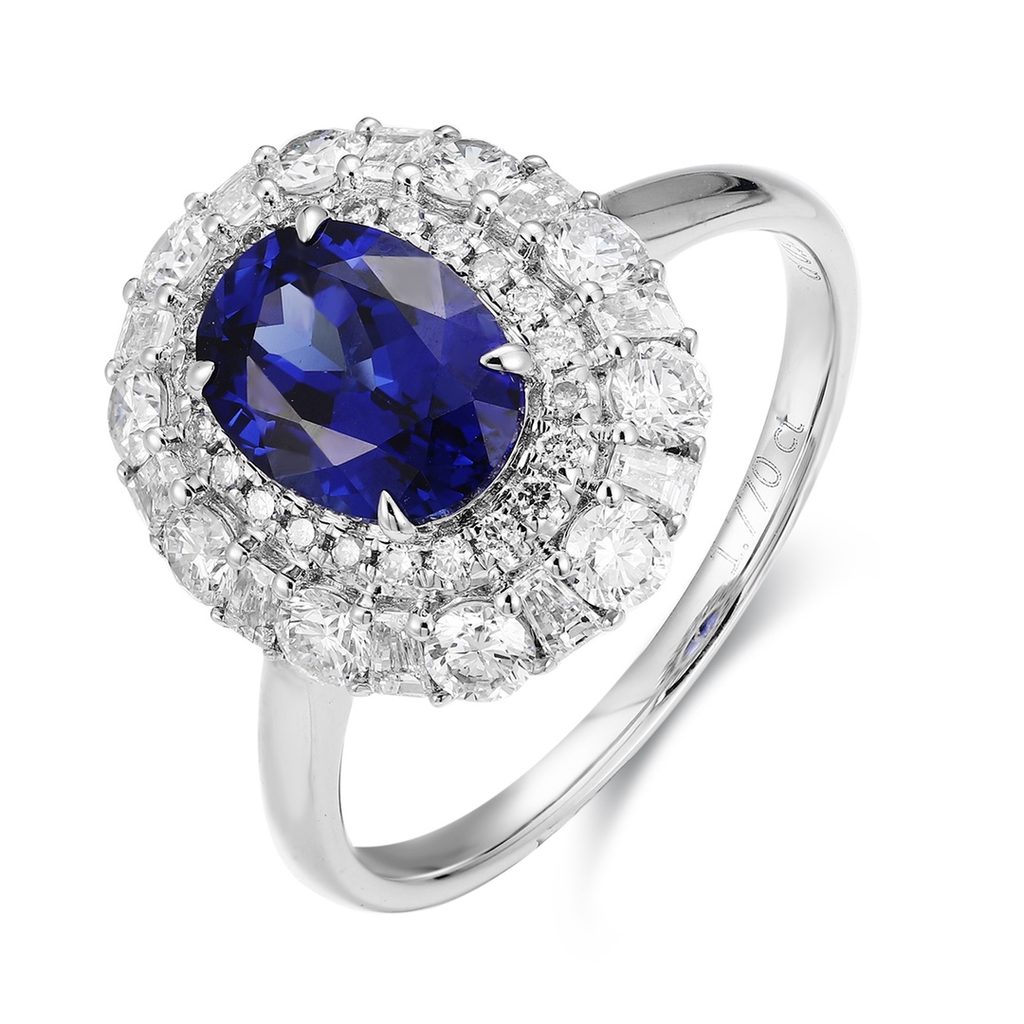
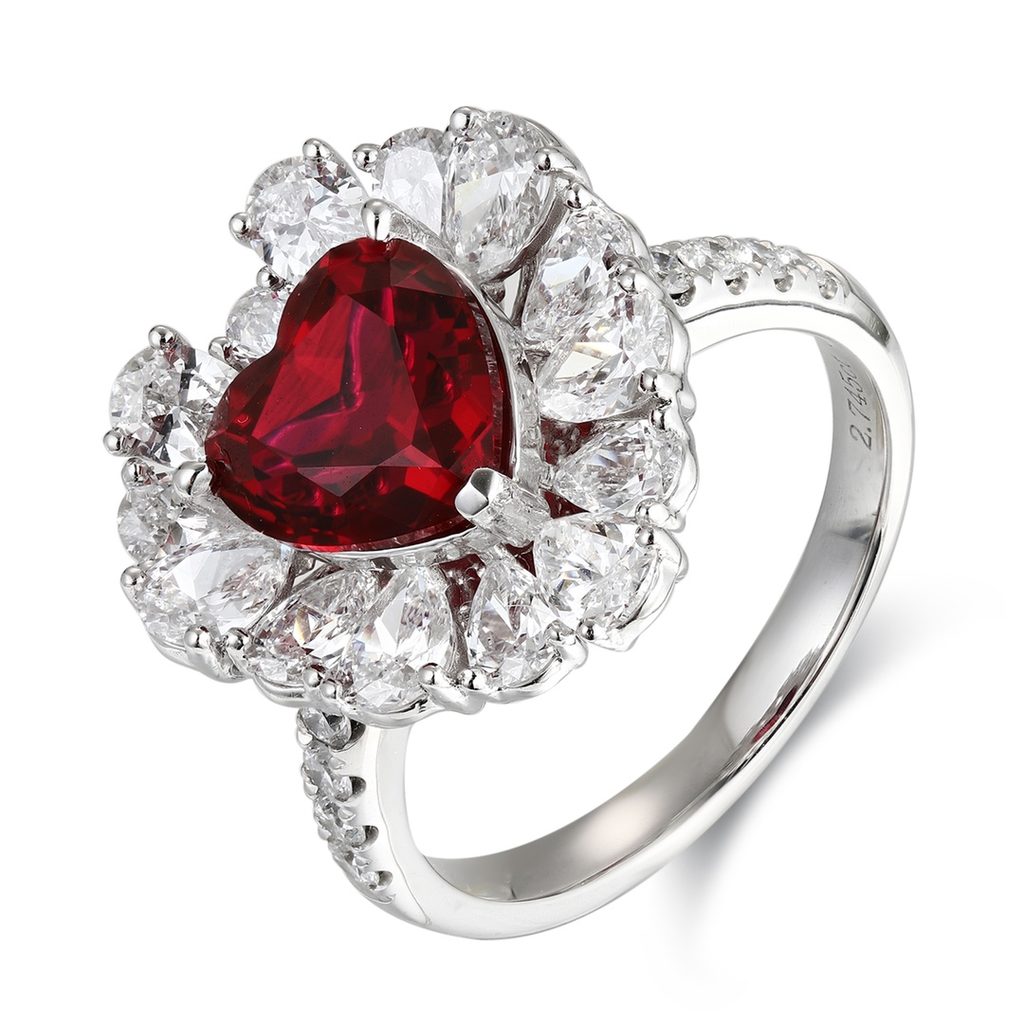
Halo settings surround the center main stone with a dense circle of small auxiliary diamonds, visually amplifying the overall diamond size and layering. This design cleverly enhances the overall sparkle of the ring, creating a luxurious and brilliant visual effect at a lower cost compared with a single large carat diamond. It caters to mainstream bridal market consumers who pursue grand appearance and cost performance, and has always maintained ultra-high sales volume in the wedding jewelry segment.

Our manufacturing team adopts micro inlay and uniform spacing layout technology for halo setting production, ensuring consistent brightness of auxiliary diamonds and neat and delicate overall lines. We support single-layer halo, double-layer halo, and petal halo diversified designs to meet different aesthetic preferences. Halo settings perfectly balance cost and visual effect, helping retailers create high-value bridal products with moderate pricing and high customer perception, which is essential for enriching wedding jewelry product matrices.

Sleek Channel and Pavé Settings for Modern Minimalist Jewelry

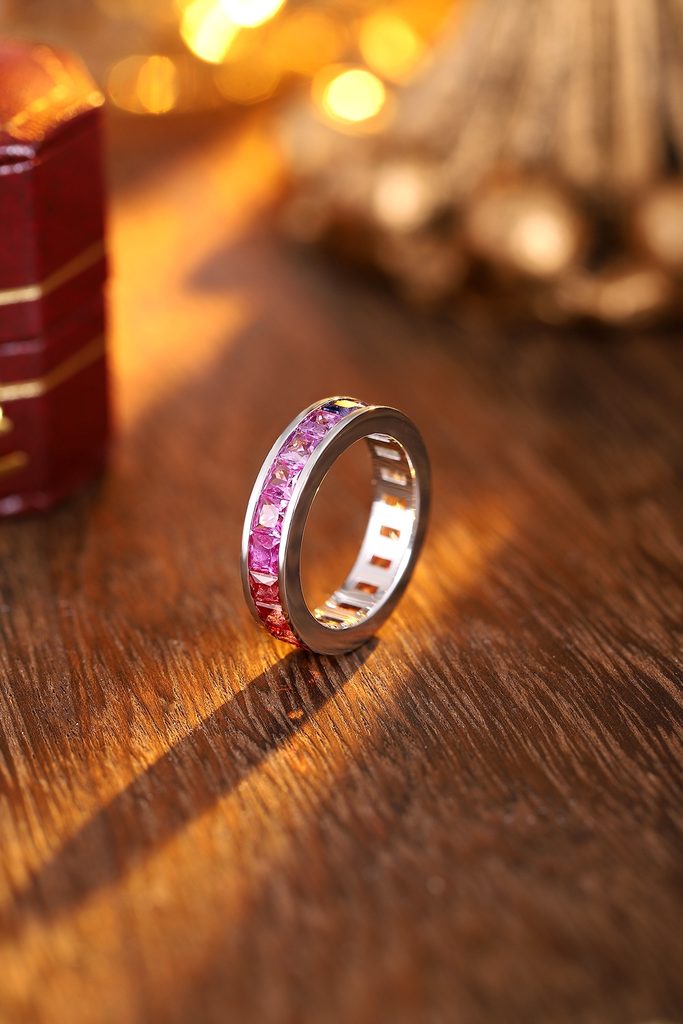
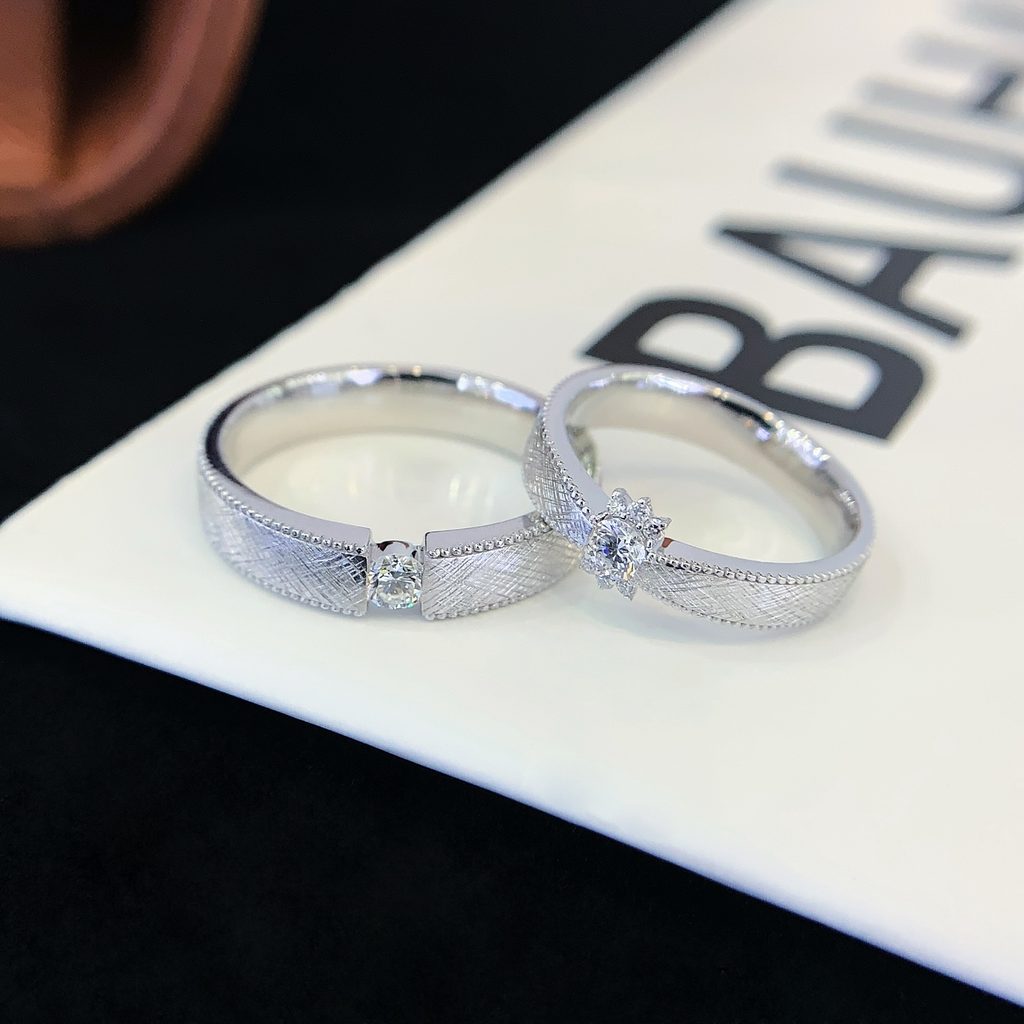
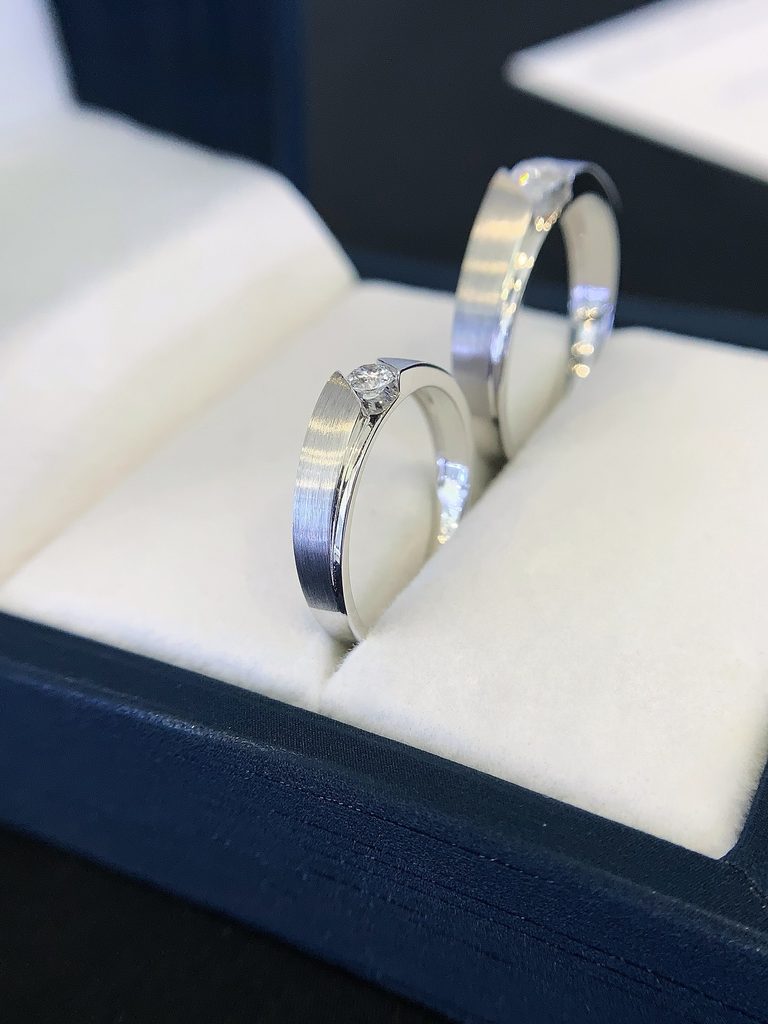
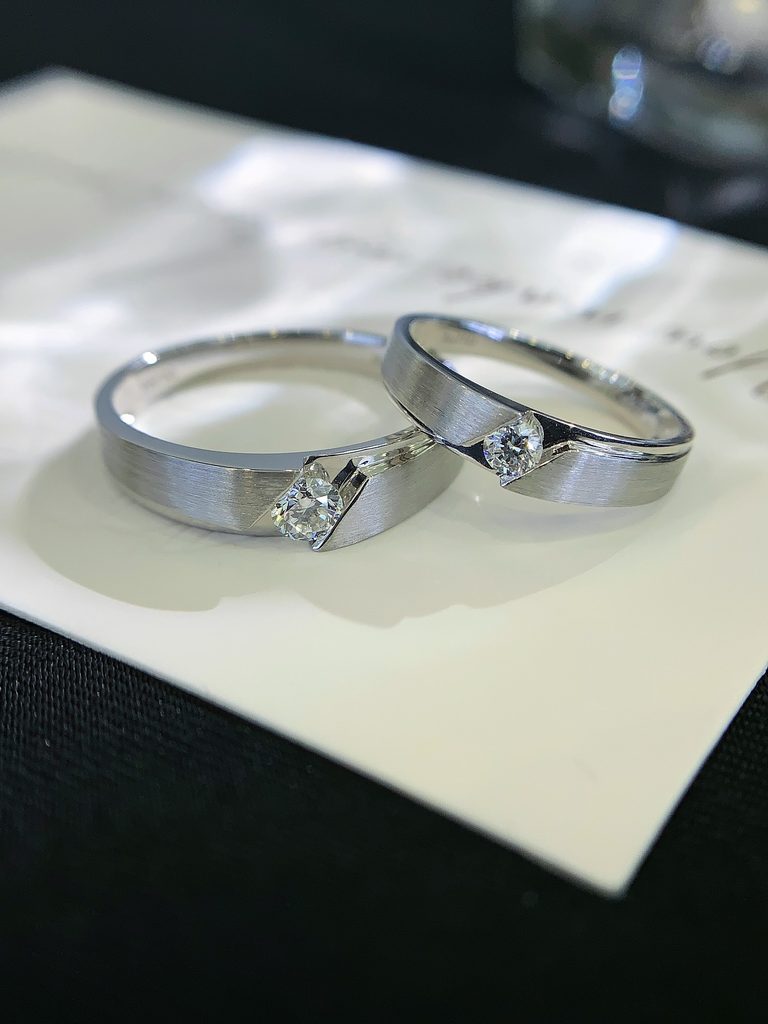
Channel settings fix diamonds between two parallel metal grooves, presenting a flat and smooth band surface without exposed prongs or raised structures. The neat linear arrangement creates a strong modern minimalist texture, commonly used for wedding bands, stackable rings, and fashion fine jewelry. The fully wrapped metal structure ensures stable stone fixation and excellent wear resistance, suitable for long-term daily wear and stack matching.

Pavé settings lay tiny diamonds densely on the ring band through micro-set technology, covering the metal surface with continuous sparkling points. This design enhances the overall luxury and delicate sense of the ring without exaggerated shapes, fitting light luxury and trendy fine jewelry positioning. In production, we strictly control the uniformity of micro-diamond sizes and inlay accuracy to avoid uneven gaps or loose stones. These two modern setting styles effectively enrich retailers’ fashion fine jewelry lines, balancing simplicity and sparkle to attract young consumer groups.

Market Adaptation of Setting Styles Across Graded Retail Tiers

Different retail positioning groups have completely different demands for ring setting craftsmanship, material standards, and design complexity, driving manufacturers to implement tiered production and style matching. Entry‑Level retail brands focusing on fast fashion fine jewelry and mass market sales prioritize simple, durable, and cost-effective setting styles. Classic four-prong settings and basic bezel settings are the mainstream choices, with standardized mass production processes, conventional polishing standards, and universal alloy or standard silver and K gold materials. These settings reduce production costs and order thresholds, support low minimum order quantities, and meet the mass consumer demand for affordable fine jewelry with stable quality and basic decorative effects.

Mid‑Market independent jewelry stores and comprehensive online fine jewelry platforms focus on balancing cost performance, craftsmanship details, and product recognition. Their core product portfolio centers on optimized prong settings and conventional halo settings, with upgraded polishing fineness, standardized stone inlay tolerance, and complete product quality inspection processes. Matched with certified medium-grade lab grown diamonds, these settings ensure stable product quality and good wearing experience. Retailers in this tier need balanced products that cover daily wear and wedding scenarios, and these mature setting styles with stable supply and moderate profit margins perfectly fit their long-term operation needs.

Premium boutique jewelry retailers and high-end light luxury stores pursue refined craftsmanship, design differentiation, and excellent visual presentation. They tend to select optimized double-layer halo settings, micro pavé full inlay settings, and improved streamlined bezel settings. We adopt refined manual polishing, precise stone selection, and customized radian adjustment processes for these products, with stricter standards for metal smoothness, stone symmetry, and overall coordination. The delicate and high-texture setting effects help retailers form product differentiation, avoid homogeneous price competition, and attract middle and high-end consumer groups who pursue quality and design sense.

Luxury‑Tier high-end customized jewelry salons and luxury collection stores take exclusive design, handmade craftsmanship, and extreme quality as the core competitiveness. The matching setting styles are mostly complex customized structures, including three-stone gradient settings, cluster art settings, and personalized special-shaped inlay designs. All processes adopt pure handmade production, with exclusive mold opening and detail carving according to design requirements. The ultra-high precision craftsmanship and unique artistic design endow the rings with collection value, meeting the personalized and high-end consumption needs of high-net-worth customers.

Customized Solutions for Diversified Retail Product Layout

Modern fine jewelry retail is increasingly moving towards personalized differentiation, and standardized finished products can no longer meet all market demands. Flexible design adjustment and personalized production services become important supports for retailers to enhance market competitiveness. Customize lab grown diamond ring services enable retailers to adjust setting styles, metal materials, stone matching schemes, and detail crafts according to their brand positioning and customer preferences.

As a manufacturer, we support full-link personalized customization, including adjusting prong quantity and radian, changing halo layout styles, carving exclusive patterns on ring bands, and matching special-shaped diamonds with exclusive inlay structures. For mass market retailers, we provide lightweight customized solutions such as unified style fine-tuning and brand laser engraving to maintain product consistency while enhancing brand recognition. For high-end retailers, we support exclusive design development, one-to-one handmade customization, and unique craft processing to create exclusive boutique products for brands.

While enriching product diversity, customized services help retailers accurately capture segmented consumer groups, improve customer stickiness and unit customer value. The combination of standardized classic settings and personalized customized settings forms a complete product system covering mass sales and high-end customization, greatly expanding the profit space of retail brands.

Core Advantages of Wholesale Lab Created Diamond Rings in Multi-Tier Retail

The prosperity of diversified setting style markets is inseparable from the cost performance and quality advantages of cultured diamond products. Wholesale lab created diamond rings have become the core hot-selling category in the global fine jewelry retail industry by virtue of stable quality, diverse carat and grade options, and competitive wholesale prices. Different from natural diamonds with high cost and scarce supply, lab created diamonds support large-scale standardized production and high-precision screening, which can perfectly adapt to the tiered production requirements of different setting styles.

In entry-level mass products, matched basic settings and conventional grade lab created diamonds ensure stable product quality and ultra-high cost performance, meeting the public’s fine jewelry consumption needs. In mid-market mainstream products, certified medium and high-grade lab created diamonds are matched with optimized classic settings, balancing beauty, durability and credibility, and becoming the mainstream choice for wedding and daily fine jewelry. In premium and luxury-tier products, high-precision selected high-grade lab created diamonds with excellent cut, color and clarity cooperate with refined handmade settings to present top-level visual effects and wearing texture.

Wholesale lab created diamond rings cover all retail market segments from mass consumption to high-end customization. Rich matching combinations of setting styles and diamond grades enable retailers to freely deploy product lines according to local consumption levels and market preferences, effectively improving market adaptability and comprehensive profitability.

How Retailers Select Suitable Setting Styles for Sustainable Operation

Reasonable setting style selection needs to be combined with store positioning, customer group characteristics, and operational goals. Mass-market retailers should focus on high-cost-performance and high-durability prong and bezel settings, with stable supply and low after-sales pressure to support large-volume sales. Mid-market comprehensive retailers can collocate classic styles and modern fashion settings to cover multiple consumption scenarios and enrich product richness. High-end boutique retailers can increase the proportion of halo, pavé and customized complex settings to highlight product texture and differentiation. Luxury customized retailers rely on exclusive handmade settings and personalized customization services to build brand high-end positioning.

Cooperating with professional manufacturers to realize tiered matching of setting styles and product grades is the key to sustainable retail operation. Diversified setting styles not only meet the personalized aesthetic needs of different consumers, but also help retailers form a scientific product gradient, avoid single product structure and market homogenization competition, and achieve stable growth of sales and profits in the increasingly competitive fine jewelry market.
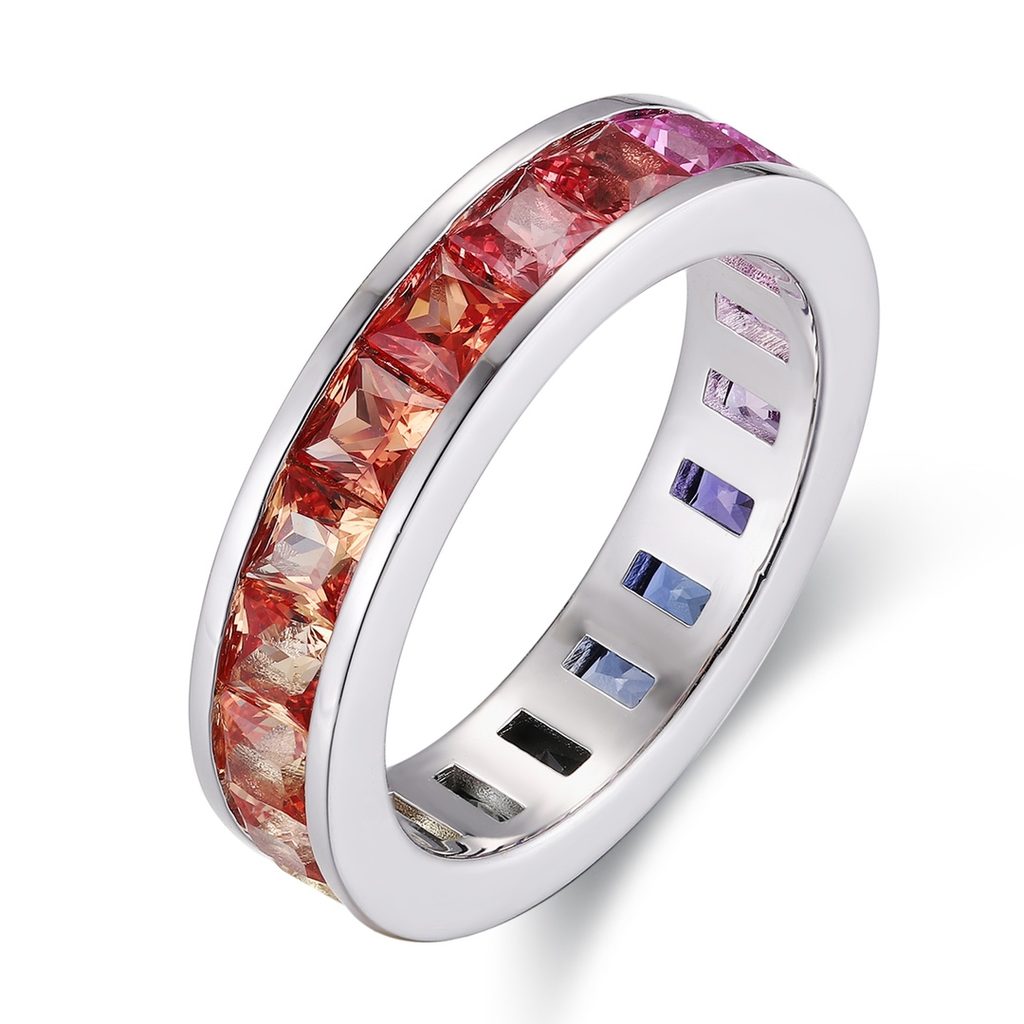
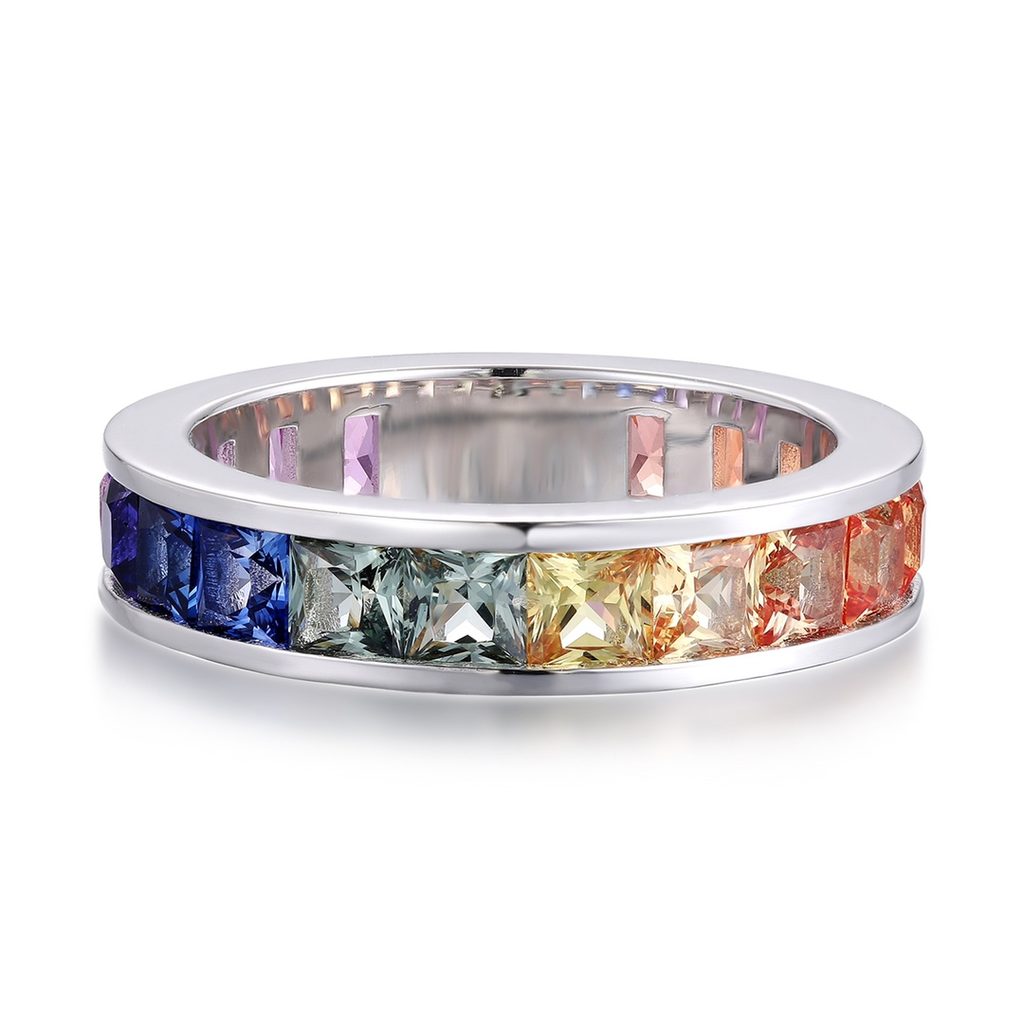
Popular Setting Styles for Fine Jewelry Retailers

Fine jewelry retail markets thrive on balance between timeless aesthetics, wearable practicality, and on-trend design innovation. Modern consumers no longer prioritize pure luxury alone; they seek durable, customizable, and cost-effective pieces that fit daily wear, special occasions, and personal style statements. For retail brands, curating a diverse inventory of premium jewelry settings is the core of boosting sales, expanding customer groups, and building market competitiveness. As consumer preferences evolve rapidly, retailers must keep pace with dominant setting styles while reserving space for personalized and niche designs to meet segmented market demands. Each jewelry setting style carries unique structural advantages, visual characteristics, and target consumer groups, directly influencing product sales volume and customer repurchase rates. Understanding the practical value and market potential of mainstream and emerging settings helps retailers optimize inventory structure, reduce overstock risks, and enhance brand differentiation in the highly competitive fine jewelry industry.

In the current fine jewelry supply chain, flexible procurement and customized production have become mainstream development trends. Retailers are no longer limited to finished jewelry wholesale but prefer to cooperate with professional manufacturers to obtain diversified, high-quality, and adjustable jewelry mounting solutions. This shift makes professional setting design and manufacturing capabilities key cooperation indicators for retailers when selecting suppliers. Jewelry settings wholesale has gradually become the most efficient procurement mode for physical jewelry stores, online luxury boutiques, and customized jewelry studios, supporting retailers to achieve flexible batch stocking and rapid product iteration.

Classic Jewelry Setting Styles That Sustain Retail Market Demand

Classic setting styles have maintained stable market popularity for decades, serving as the basic inventory that every fine jewelry retailer must reserve. These styles feature high recognition, strong wearability, and wide audience coverage, effectively reducing market sales risks and ensuring stable daily sales volume. Solitaire settings rank first in classic styles, renowned for their minimalist and elegant design. By fixing a single core gemstone with 4 or 6 prongs, the design minimizes metal occlusion, maximizes the light transmission and fire of diamonds or colored gems, and highlights the pure texture of high-quality stones. Solitaire setting jewelry is suitable for engagement rings, wedding bands, and daily pendant accessories, catering to minimalist consumers and traditional wedding jewelry markets.

Halo settings remain a top trending choice in the retail market, favored for their ability to visually enlarge the center stone and enhance overall brilliance. A circle of miniature pave-set stones surrounds the main gemstone, creating a layered and luxurious visual effect. This setting style perfectly meets consumers’ demand for “high cost performance and strong visual impact”, making it extremely popular in the mid-to-high-end fine jewelry market. Hidden halo settings, an upgraded version of traditional halo designs, place auxiliary stones under the center stone, presenting subtle sparkle while maintaining a low-key and advanced texture, which has become a hot-selling niche style in recent years.
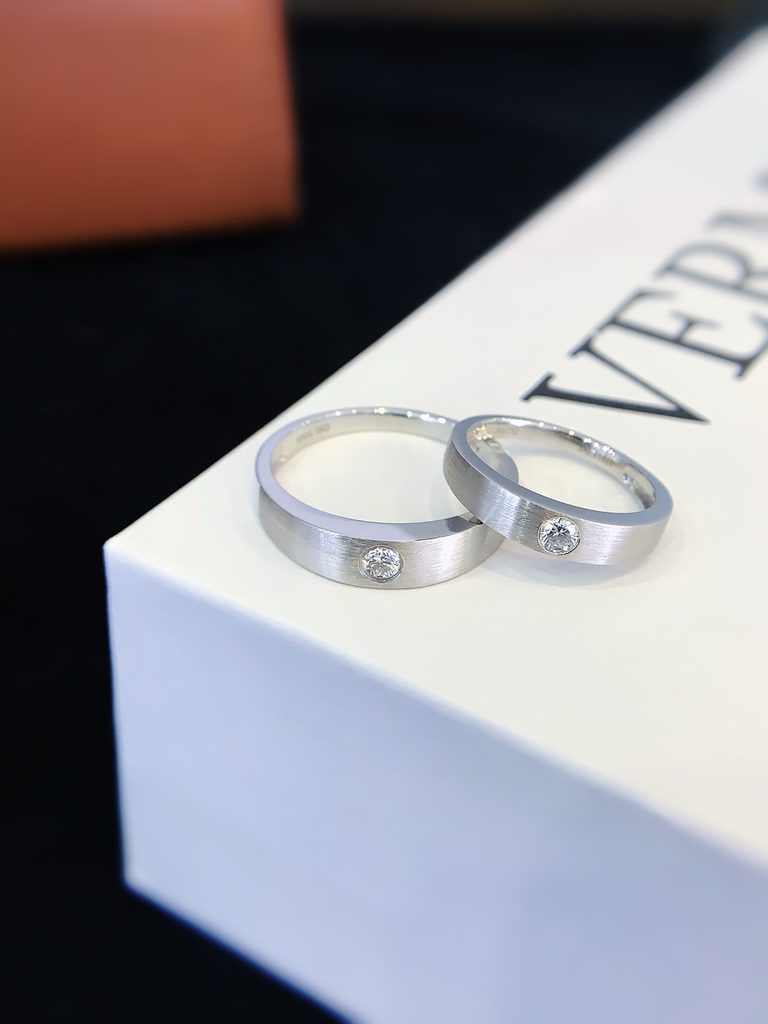
Bezel settings and pave settings are also indispensable classic options for retail inventory. Bezel settings wrap the entire edge of the gemstone with metal rims, providing comprehensive protection for stones and effectively preventing falling off and abrasion. This structural advantage makes bezel-set jewelry ideal for daily wear, suitable for consumers with active lifestyles. Pave settings densely arrange tiny stones on the metal surface, making the metal base almost invisible and creating an overall sparkling effect, which is widely used in fashion fine jewelry and bridal accessory sets.

Customizable Ring Setting Solutions for Diversified Retail Scenarios

With the continuous upgrading of consumer demand, standardized finished jewelry can no longer meet personalized purchase needs. More customers tend to customize exclusive fine jewelry according to their preferences, finger size, and emotional demands, which drives retailers to continuously enrich customized setting products. Ring settings are the most customized category in fine jewelry, covering wedding rings, anniversary rings, fashion casual rings, and other diversified scenarios. Different from fixed finished products, flexible ring setting structures support personalized matching of different stone shapes, sizes, and materials, bringing richer product possibilities to retailers.

Professional manufacturers provide diverse adjustable structures and material options for ring settings, including platinum, 18K gold, rose gold, and silver substrates, as well as multiple polishing and surface treatment processes such as matte, glossy, and brushed finishes. Retailers can freely match different gemstones according to regional consumption habits and customer preferences to form differentiated product lines. Wholesale jewelry ring settings allows retailers to purchase blank ring settings in batches at cost-effective prices, realizing flexible personalized matching and rapid order response, greatly improving the operational efficiency of customized jewelry businesses.

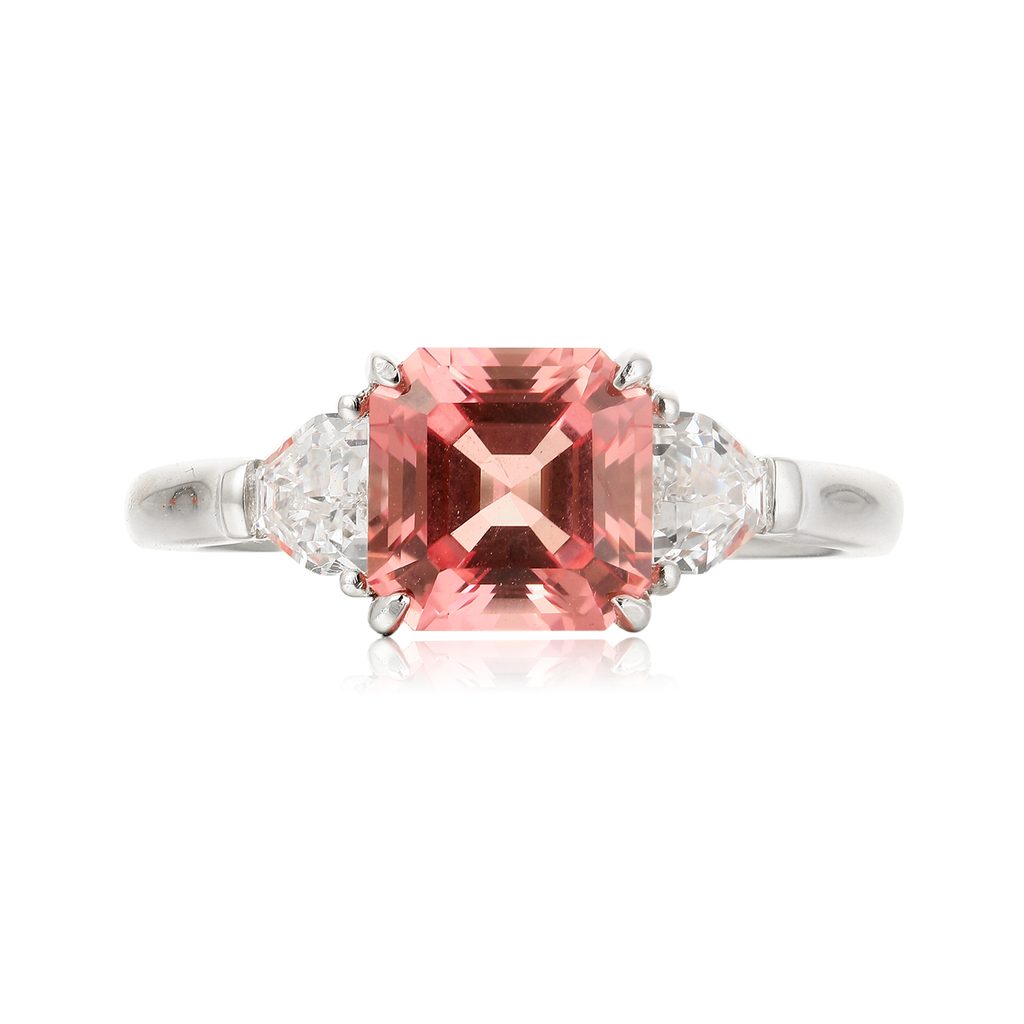
Three-stone settings, twisted settings, and channel settings are mainstream customizable ring setting styles in the current market. Three-stone settings match one large center stone with two symmetrical auxiliary stones, symbolizing past, present and future love, and are highly popular in the wedding jewelry market. Channel settings fix multiple stones in metal grooves, with smooth and round edges, safe and wearable, suitable for couple rings and daily fashion rings. These diverse setting styles enable retailers to cover low, medium and high-end consumer groups and meet the customized needs of different scenario-based purchases.

Lab Grown Diamond Customization as Retail Market Growth Driver

Lab grown diamonds have become a core growth track in the global fine jewelry industry in recent years, relying on their advantages of high clarity, low price, and environmental sustainability. More young consumers and middle-end buyers choose lab grown diamond jewelry as wedding gifts, daily wear accessories, and fashion collections, bringing huge market increments for fine jewelry retailers. Different from natural diamonds with fixed parameters, lab grown diamonds support personalized customization of carat, cut, color, and clarity, which puts forward higher requirements for the matching degree of jewelry settings.

Standard settings often cannot perfectly adapt to customized lab grown diamonds with special parameters, so targeted setting design and production have become essential. Professional manufacturers can adjust the prong spacing, metal radian, and inlay structure of settings according to the customized size and cut of lab grown diamonds, ensuring a perfect fit between stones and settings while maximizing the light performance of lab grown diamonds.Custom made lab grown diamond rings have become a hot-selling product line for major fine jewelry retailers, effectively helping brands capture young consumer markets and increase product profit margins.

Custom lab grown diamond rings break the limitations of traditional fixed jewelry styles. Consumers can independently select ring setting styles, metal materials, diamond parameters, and even carve exclusive patterns and texts on the ring band. For retailers, this customized model reduces inventory pressure, as products can be produced on demand according to customer orders. Meanwhile, the high flexibility of lab grown diamond customization supports retailers to launch limited-edition styles, seasonal new products, and exclusive customized services, effectively enhancing customer stickiness and brand premium capability.

Professional Manufacturing Services Supporting Retail Brand Iteration

The core competitiveness of fine jewelry retail brands lies in stable product quality, continuous innovative design, and reliable after-sales service, all of which are inseparable from professional and standardized manufacturing support. Many retail brands do not have independent production workshops and technical teams, so they rely on professional jewelry manufacturers to complete setting design, mold opening, production, polishing, and quality inspection processes. High-quality manufacturing services can help retailers reduce production costs, shorten product launch cycles, and maintain stable product quality.

Excellent jewelry manufacturing teams have mature technical experience in setting structure optimization, stone inlay technology, metal durability improvement, and detail processing. They can provide targeted optimization solutions according to retailers’ brand positioning: for high-end luxury brands, they provide complex handmade inlay, micro-carving details, and high-precision polishing processes; for fashion mass-market brands, they focus on standardized mass production, cost control, and fast delivery efficiency. In addition, professional manufacturers can also provide market trend analysis and new style development services, helping retailers accurately grasp market hotspots and launch competitive new products in a timely manner.

Full-link manufacturing services cover the whole process from design drawing confirmation, mold development, sample production, batch production to finished product inspection and packaging. This one-stop service mode simplifies the procurement and production process for retailers and avoids quality problems caused by multi-link handover. custom jewelry manufacturing services enable retailers to realize personalized product customization, small-batch trial production, and large-batch stable supply at the same time, perfectly adapting to the flexible operation needs of modern fine jewelry retail brands.

How Retailers Select High-Quality Setting Styles and Manufacturing Partners

Reasonable selection of setting styles and reliable manufacturing suppliers is crucial for retailers to stabilize market operations and achieve long-term development. First of all, retailers need to match setting styles according to their own brand positioning and customer groups. High-end luxury retail brands can focus on complex handmade settings, vintage carved settings, and high-end customized styles to improve brand premium; fashion mass-market brands can take classic solitaire, halo, and pave settings as the main products, supplemented by seasonal trendy settings to balance sales volume and innovation.

Secondly, retailers need to comprehensively inspect the technical strength, quality control system, and delivery capacity of manufacturers. High-quality jewelry settings need to meet strict industry standards in terms of firm inlay, smooth polishing, comfortable wearing, and durable structure. Qualified manufacturers will conduct multiple rounds of stone falling tests, metal hardness tests, and surface durability tests on each setting style to ensure that the products can adapt to long-term daily wear and reduce after-sales maintenance rates.

In addition, flexible production and customized response capabilities are important evaluation indicators for supplier selection. Excellent manufacturers can support small-batch wholesale of conventional settings and rapid customized production of special styles, helping retailers flexibly adjust inventory according to market sales data. Timely after-sales service, including product maintenance, size adjustment, and style modification, can also help retailers improve customer satisfaction and form a good market reputation.

Future Development Trends of Fine Jewelry Setting Retailing

The fine jewelry retail industry is moving towards personalization, environmental protection, and minimalism. In terms of setting design, minimalist lightweight settings will continue to be popular, meeting consumers’ demand for comfortable daily wear. At the same time, environmentally friendly metal materials and sustainable lab grown diamond matching settings will become mainstream innovative products in the market. Niche creative settings such as asymmetrical inlay, mixed stone matching, and retro composite structures will continue to emerge, bringing new sales growth points for retailers.

With the continuous development of customized consumption, the integration of personalized design and standardized wholesale will become the mainstream operation mode of fine jewelry retail. Retailers who can combine classic hot-selling settings with personalized customized services will occupy a dominant position in market competition. Supported by professional manufacturing services, retail brands can continuously iterate product styles, optimize product quality, and accurately meet the increasingly diversified and personalized consumption needs of the market, realizing sustainable brand development and stable sales growth in the fine jewelry industry.

How Wholesale Lab Grown Diamond Rings Boost Turnover

Stable Cost Structures Drive Faster Inventory Rotation

Volatile natural diamond pricing has long plagued jewelry businesses, creating unpredictable inventory risks and slow turnover cycles for cross-border jewelry sellers. As a professional diamond jewelry manufacturer, we deliver consistent, cost-effective stone and finished piece solutions that eliminate the price fluctuations common in mined diamond markets. The core advantage fueling sales growth lies in standardized production and bulk supply models centered on lab grown diamond rings wholesale. Unlike natural diamonds, which rely on limited mining resources and complex global distribution chains, lab-grown diamonds are produced through controlled technological processes, ensuring stable per-unit costs regardless of market seasonal fluctuations. This stability allows business clients to set fixed retail pricing strategies, avoid frequent price adjustments, and accelerate product sales cycles. For bulk procurement businesses, predictable cost frameworks directly reduce inventory holding cycles, cut capital occupation time, and effectively lift overall operational turnover efficiency.

High Market Adaptability Meets US Consumer Demand Trends

Modern jewelry consumption in the United States has shifted dramatically from blind pursuit of rare natural gems to emphasis on cost performance, sustainability, and diverse design aesthetics. Young consumers, who dominate the mainstream jewelry purchasing market, prioritize high-clarity, stylish diamond accessories at reasonable prices, creating huge market gaps for affordable fine jewelry. Lab‑grown diamond jewelry perfectly fits this consumption upgrade trend, featuring identical optical properties, hardness, and visual effects as natural diamonds while carrying eco-friendly and transparent production attributes favored by American buyers. As a manufacturer with long-term service experience for North American markets, we tailor ring designs, stone sizes, and metal settings to align with US regional aesthetic preferences, covering classic engagement rings, daily fashion rings, and minimalist stacking styles. Diverse product lines enable sellers to cover multiple consumer groups, expand sales scenarios, and drive continuous turnover growth.

Bulk Supply Advantages Reduce Procurement Costs for Import Partners

Profit margins and supply flexibility are core factors determining the turnover capacity of jewelry trading businesses. Traditional natural diamond finished products involve multiple intermediate links, including mining procurement, secondary screening, and layered distribution, leading to high terminal procurement costs and rigid order thresholds. Our direct manufacturing supply model completely streamlines intermediate links and provides standardized wholesale diamond rings with flexible order quantities and ultra-low bulk unit prices. Compared with natural diamond products, our wholesale finished rings reduce comprehensive procurement costs by 30% to 45% for cooperative merchants. Lower procurement thresholds allow sellers to launch diversified product portfolios with limited capital, avoid single-product inventory backlogs, and achieve small-batch, fast-frequency restocking. This agile inventory operation mode greatly improves capital utilization and shortens the sales turnover cycle of jewelry products.

Loose Diamond Inventory Flexibility Enables Customized Business Expansion

Many jewelry sales businesses face operational bottlenecks due to single product forms and fixed styles, failing to meet personalized consumer customization needs and restricting market expansion speed. To solve this industry pain point, we support both finished ring wholesale and bulk stone supply services, with loose lab grown diamonds wholesale serving as a core competitive advantage for our partners’ differentiated operations. We provide loose diamonds of complete specifications, covering different carat weights, clarity grades, color levels, and cutting styles. Business clients can independently match various silver, K-gold, and platinum settings according to local market demand and customer customization orders. This flexible supply mode enables sellers to quickly respond to personalized order demands, expand service categories, and tap high-value customized market groups. Customized business scenarios effectively increase customer repurchase rates and unit sales volume, forming a stable turnover growth engine.

Full Category Product Layout Enriches Merchant Sales Portfolios

Single ring product sales are prone to market saturation and growth bottlenecks, while diversified product matrices can effectively disperse market risks and expand sales channels. Based on mature lab-grown diamond production technology, we have built a comprehensive product system beyond single ring products, with wholesale lab diamond jewelry including diamond necklaces, earrings, bracelets, and customized bridal jewelry sets. For market sellers, one-stop wholesale procurement realizes multi-category product layout, covering daily wearing, holiday gifting, wedding etiquette, and other consumption scenarios. Abundant product categories attract broader customer groups, increase store passenger flow and conversion rates, and avoid turnover stagnation caused by single product sales fatigue. Meanwhile, unified bulk procurement reduces logistics and time costs for merchants, further improving overall operational efficiency and profit space.

Targeted Service Mechanisms Empower Local US Market Operation

The stable development of cross-border jewelry business relies on in-depth market insight and localized service support, especially for participants in the US jewelry trading market. us jewelry importers face unique market rules, consumer preferences, and inventory cycles in regional operations, putting forward higher requirements for supplier response speed and product matching degree. As a professional manufacturer focusing on the US market for years, we have established a targeted service system for American importers. We regularly update product styles according to local fashion trends, provide mainstream international certification reports for all products to meet US market access standards, and support fast customs clearance and efficient after-sales service. Our localized supply solutions help importers quickly adapt to market changes, reduce operational risks, shorten product listing cycles, and seize market window periods. Fast product iteration and stable supply capacity ensure merchants maintain continuous sales vitality and efficient inventory turnover in the competitive US jewelry market.

Certified Quality Control Sustains Long Term Sales Turnover Growth

Short-term sales growth relies on product cost performance, while long-term turnover stability depends on stable product quality and good market reputation. All lab-grown diamonds and finished jewelry we produce undergo strict multi-process quality inspection, with every product equipped with authoritative certification to ensure consistent quality, flawless cutting, and stable color. Standardized quality control eliminates product quality differences common in scattered market supplies, helping merchants maintain unified brand image and stable customer reputation in terminal sales. High-quality products reduce after-sales return and exchange rates, improve customer satisfaction and loyalty, and drive continuous repeat purchases. For trading businesses with stable customer groups and positive market word-of-mouth, sales volume maintains steady growth, inventory turnover efficiency continues to improve, and long-term business profitability and sustainability are fully guaranteed.

Agile Production Mode Adapts To Dynamic Market Changes

The US jewelry market shows obvious seasonal fluctuations and trend updates, with new fashion styles emerging every quarter and concentrated consumption peaks in holidays such as Christmas, Valentine’s Day, and Mother’s Day. Traditional jewelry suppliers have long production cycles and slow style iteration speeds, making it difficult for merchants to seize short-term market hotspots. Our intelligent production line and professional design team support rapid style development and small-batch trial production. We can quickly launch new seasonal products and trend styles according to US market dynamics, helping merchants capture short-term consumption dividends. Meanwhile, our flexible production capacity supports emergency replenishment during sales peaks, avoiding sales losses caused by inventory shortages. The agile supply chain system enables merchants to maximize market sales potential in different cycles, comprehensively boosting annual overall turnover performance.

How Retailers Custom Wholesale Lab Grown Diamond Rings

Core Customization and Sourcing Logic for Retailer Wholesale Orders

Modern jewelry retail brands rely on flexible, high-quality customized ring supply chains to capture mainstream consumer demand for eco-friendly, affordable, and stylish diamond jewelry. Lab grown diamond rings have gradually replaced part of natural diamond jewelry market shares due to their stable quality, controllable cost, and zero mining conflict attributes. As a professional jewelry manufacturer, we support global retailers to complete personalized customization and bulk procurement of lab grown diamond rings covering design, material, craftsmanship, and batch delivery. Every customized link is tailored to the inventory layout, brand positioning, and terminal sales scenarios of physical stores, online boutiques, and jewelry chain retailers. Retailers can break the limitations of fixed finished product styles and obtain exclusive ring products that match their brand tonality through standardized and transparent wholesale customization processes. Wholesale lab grown diamond rings have become the core inventory choice for medium and small jewelry retailers and emerging independent brands in recent years, balancing product differentiation and profit margins perfectly.

Professional Diamond Customization for Bulk Retail Inventory

Stable and unified diamond quality is the primary premise for retailers to carry out batch sales and standardized after-sales services. We provide full-spec lab grown diamond customization solutions covering multiple cuts, carat weights, color grades, and clarity grades to meet diversified terminal market demands. Whether retailers target entry-level mass consumers or high-end light luxury groups, we can match corresponding diamond parameters to ensure consistent product presentation in bulk orders. Custom lab diamond rings bulk orders adopt unified stone selection standards, with professional gemologists screening each batch of diamonds to eliminate individual differences in fire color, fluorescence, and cutting proportion. All bulk customized diamonds support authoritative certification such as IGI and GIA, with complete traceable reports to help retailers standardize product introduction and compliance sales. In addition to conventional engagement and daily wear styles, we also develop and produce factory made diamond engagement rings with mature craftsmanship, which can be directly customized in batches or slightly modified in details to help retailers quickly launch new seasonal products and shorten the product development cycle.

Diversified Material Matching and Standardized Production

The durability, appearance texture, and pricing positioning of diamond rings are directly determined by ring setting materials, so reasonable material selection is a key part of retailer customized wholesale. We provide rich and selectable metal options for all customized ring orders, including 925 sterling silver, 10K, 14K, and 18K solid yellow gold, white gold, rose gold, and platinum PT900. Different metals correspond to different market positioning: sterling silver materials are suitable for affordable fashion jewelry lines to attract young consumer groups, while K gold and platinum materials are applied to high-end engagement and wedding ring series to improve brand grade and unit profit. All raw metal materials are screened in strict accordance with international industry standards to avoid inferior alloys affecting product quality and terminal sales reputation.

To ensure long-term wear resistance and beautiful appearance of bulk products, we configure standardized Plating & finishing processes for different metal materials. For silver rings, we adopt thickened rhodium plating technology to effectively prevent oxidation, discoloration, and tarnishing, maintaining long-term metallic luster. For K gold and platinum rings, we provide diversified surface treatments including mirror high polishing, fine matte brushing, frosted texture, and micro-arc light finishing. Retailers can freely match plating thickness and surface craftsmanship according to product series positioning. All finishing processes are completed by automated production equipment combined with manual fine polishing, ensuring consistent texture and luster of each ring in bulk orders, avoiding uneven polishing and inconsistent plating color of manual single processing.

Strict Compliance Control for Bulk Product Safety

Cross-border and domestic jewelry retail industries have clear mandatory standards for metal material safety, and non-compliant products will face the risks of customs detention, market removal, and consumer complaints. We take the initiative to implement strictalloy purity compliance standards in all customized wholesale orders to ensure that all metal accessories meet EU REACH, RoHS and international hypoallergenic specifications. All ring setting materials are lead-free, nickel-free, and cadmium-free, with accurate alloy component ratios and stable purity. For alloy materials used in affordable jewelry series, we conduct regular component testing to avoid excessive harmful substances and unqualified purity. This standardized compliance control helps retailers eliminate product safety risks, ensure smooth customs clearance of bulk goods, and provide safe and reliable wearing products for terminal consumers, effectively reducing after-sales problems such as skin allergies.

Flexible Order Thresholds for Retailer Market Testing

Most emerging retailers and small and medium-sized jewelry brands face inventory pressure and uncertain market demand, so rigid bulk order thresholds will limit their new product trial and market expansion. We set flexible and hierarchical MOQ rules for customized wholesale lab grown diamond rings to adapt to different scale of retailer orders. For conventional factory-made classic styles with mature molds and stable production processes, the minimum order quantity is appropriately reduced to support retailers’ small-batch trial sales and market demand testing. For highly personalized customized styles involving exclusive CAD design, unique carving, and special craftsmanship, the MOQ is adjusted according to production difficulty and process cost. We support mixed batch ordering of different styles, different metal materials, and different diamond parameters, allowing retailers to flexibly combine inventory according to consumer preferences in regional markets. While controlling the order threshold, we ensure that every batch of customized products maintains unified production standards and quality inspection specifications, so that small-batch trial orders can also obtain the same high-quality products as large-batch bulk orders.

Complete Customization Process and Quality Assurance System

The whole process of retailer customized wholesale is standardized and transparent, covering demand confirmation, design drawing confirmation, sample production, mass production, quality inspection, packaging and delivery. After receiving the retailer’s customization demand, our design team will launch CAD three-dimensional modeling according to the customer’s style reference, size requirements, and personalized details, and modify the rendering for free until the design scheme is confirmed. After the design is finalized, we will produce physical samples for retailers to verify appearance, size, diamond inlay firmness and overall texture. Mass production will be arranged only after the sample is fully confirmed to avoid large-scale product defects and style deviations.

In the mass production stage, we implement multi-process quality inspection. Each ring will pass diamond parameter recheck, inlay firmness test, metal surface defect inspection, size calibration and compliance testing. We focus on checking whether there are problems such as loose diamonds, metal scratches, uneven plating, and unqualified size tolerance. All qualified products will be packaged independently with dust-proof and anti-collision packaging to avoid damage during transportation. For retailer private label demands, we support laser engraving of brand LOGO, exclusive SKU codes and customized text inside the ring, with no factory-related marks on the whole product, helping retailers build independent brand image and improve product competitiveness in the terminal market.

Stable Delivery and Customized After-sales Support

Delivery cycle stability is an important guarantee for retailers’ normal inventory replenishment and new product launch. We formulate targeted production schedules according to order quantity, customization difficulty and seasonal order volume, and promise clear delivery cycles for sample orders and bulk orders respectively. In peak sales seasons such as holidays, we will reserve sufficient production capacity in advance to avoid delivery delays affecting retailers’ market sales plans. For large wholesale orders, we support phased delivery and batch replenishment to help retailers flexibly adjust inventory pressure.

In terms of after-sales service, we provide targeted solutions for bulk wholesale products. For quality problems caused by production processes such as loose inlay, unqualified plating and defective metal materials, we support free replacement and rework. For conventional wear and aging in daily use, we provide paid maintenance services including re-polishing, re-plating and re-inlaying diamonds, facilitating retailers to provide continuous after-sales protection for their terminal customers. Relying on mature production technology, strict quality control and flexible customization rules, we continuously provide reliable customized wholesale solutions for global jewelry retailers, helping them create high-profit, differentiated and compliant lab grown diamond ring product lines.

Etsy And TikTok Sellers Thrive With Affordable Wholesale Lab Grown Diamond Rings

The Booming Market For Affordable Wholesale Lab Grown Diamond Rings

Global consumer demand for fine jewelry has shifted dramatically in recent years, moving away from overpriced mined diamond accessories toward cost-effective, sustainable, and aesthetically identical lab grown diamond rings. This market transition has created unprecedented business opportunities for cross-border online retailers, especially independent operators and small-scale store owners on mainstream social commerce and handmade e-commerce platforms. Etsy and TikTok sellers stand at the forefront of this industry trend, leveraging flexible store operations, short-video marketing, and community traffic to capture massive young consumer groups who prioritize affordability, style diversity, and ethical consumption. As a professional manufacturer specializing in customized and wholesale lab grown diamond jewelry, we have long observed the unique operational logic and market demands of these platform sellers, and continuously optimize product lines, service systems, and compliance solutions to support their long-term profitable development. Unlike traditional offline jewelry wholesalers that focus on large-volume bulk orders, modern online retail sellers require flexible supply chain support, compliant product materials, and high-cost-performance finished products that adapt to fast-paced online sales rhythms.

Key E Commerce Platform Restrictions Shaping Jewelry Retail Operations

Every mainstream cross-border e-commerce platform has formulated targeted industry rules for fine jewelry products, especially diamond-embedded accessories, and e commerce platform restrictions are the core factor that determines whether online sellers can operate stably and avoid operational risks. TikTok Shop classifies fine jewelry embedded with precious metals and lab grown diamonds as invite-only restricted categories, which means sellers cannot directly list lab grown diamond ring products on the platform without official category approval. The platform strictly prohibits the sale of loose lab grown diamonds and only allows qualified finished jewelry products with complete certification documents to be launched. Meanwhile, all product display content, including short videos, live broadcast explanations, and product descriptions, must clearly mark lab-grown attributes to avoid misleading consumers into confusing synthetic diamonds with natural mined diamonds.

Etsy implements different but equally rigorous rules for jewelry sellers, centering on its core positioning of handmade and original design transactions. The platform forbids sellers from directly reselling unmodified factory wholesale finished products in large quantities. All mass-purchased wholesale lab grown diamond rings must be matched with complete production partner information, and sellers need to provide original design or secondary modification proof to prove the uniqueness of their store products. In addition, both platforms fully comply with the US FTC jewelry industry regulations, requiring all lab grown diamond ring listings to display clear material disclosure information in titles, main images, and core descriptions. Vague descriptions such as pure diamond or genuine diamond without lab-grown identification will trigger platform audits, leading to product removal, store traffic restriction, or even account suspension. These standardized platform rules have raised the entry threshold for lab grown diamond ring retail, eliminating irregular suppliers and non-compliant sellers, and further standardizing the industry development environment.

Core Demands Aligned With Preferences Of E-commerce Platform Retailers

Successful market cooperation and long-term supply chain stability rely on in-depth insight into Preferences of E-commerce Platform Retailers, which differ significantly from traditional offline distributors and large-scale supermarket procurement merchants. The first core demand of online platform sellers is operational risk control, which is also their primary consideration when selecting long-term cooperative manufacturers. Faced with strict e commerce platform restrictions, sellers urgently need suppliers to provide fully compliant product supporting materials, including authoritative IGI or GIA lab grown diamond grading certificates, SGS precious metal purity test reports, and complete product compliance documents. Qualified and matching certification files can effectively help sellers avoid platform audit risks, solve consumer dispute problems, and prevent store weight reduction or account freezing caused by non-compliant product information.

Profit margin and flexible order mechanisms constitute the second key demand of e-commerce platform retailers. Most Etsy and TikTok sellers are small and medium-sized merchants with limited operating funds and no large-scale inventory warehousing conditions. They are extremely sensitive to order thresholds and inventory risks, so they prefer manufacturers with low minimum order quantities, mixed batch wholesale support, and spot inventory supply. Affordable wholesale pricing is essential for these sellers to maintain competitive advantages in platform searches and social marketing. A reasonable factory wholesale price ensures that sellers can retain sufficient profit space after deducting platform commissions, advertising promotion costs, and cross-border logistics expenses, which is the fundamental guarantee for sustainable store operation.

Manufacturer Supply Chain Advantages Empowering Platform Sellers’ Growth

As a professional lab grown diamond ring manufacturer deeply engaged in cross-border wholesale business, we have built a complete service system tailored to the actual operational needs of Etsy and TikTok sellers, fully matching the core preferences of e-commerce platform retailers and helping sellers cope with complex e commerce platform restrictions. In terms of product compliance, all our wholesale lab grown diamond rings are equipped with one-to-one authoritative certification documents. Each diamond’s carat weight, color grade, clarity grade, and growth type (CVD or HPHT) are completely consistent with certificate information, ensuring 100% compliance with platform listing rules and FTC regulatory requirements. We provide standardized compliant copywriting guidelines for product titles, descriptions, and labels, helping sellers avoid common non-compliant errors in daily listings and live broadcast sales.

In terms of order flexibility and cost control, we break the traditional high-threshold wholesale model and support small-batch trial orders and mixed-style wholesale. This flexible order mode allows new sellers to test market popularity of different ring styles without heavy inventory pressure, and also enables mature sellers to update store products dynamically according to TikTok trend hotspots and Etsy handmade style preferences. All our products adopt streamlined production processes and centralized raw material procurement, which greatly reduces production costs and ensures stable affordable wholesale prices while maintaining high product quality. The high cost-performance of our lab grown diamond rings helps sellers attract price-sensitive young consumers and quickly open market sales on social e-commerce platforms.

In terms of online sales adaptation, we fully consider the display characteristics of short videos and platform images. Our lab grown diamond rings adopt high-precision cutting and high-gloss polishing technology, which can present excellent fire color and luster under mobile phone shooting and live broadcast lights, effectively reducing product return rates caused by inconsistent online and offline visual effects. Meanwhile, we provide free copyright-free high-definition product images, multi-angle videos, and display materials for cooperative sellers. These ready-to-use marketing materials save sellers a lot of shooting and post-production costs, greatly improving their product listing efficiency and content update frequency.

Long Term Value Of Compliant And Affordable Wholesale Partnerships

The prosperity of the lab grown diamond ring cross-border retail market is inseparable from the win-win cooperation between professional manufacturers and platform sellers. E commerce platform restrictions will continue to be updated and optimized with the development of the industry, putting forward higher requirements for product compliance, supply chain stability, and service professionalism. Preferences of E-commerce Platform Retailers will also continue to evolve with market changes, with higher demands for product personalization, order flexibility, and operational empowerment.

Etsy and TikTok sellers thrive with affordable wholesale lab grown diamond rings precisely because this product category fits the current consumer pursuit of sustainability, beauty, and cost-effectiveness, and our professional manufacturing and supporting services solve the core pain points of sellers in risk control, profit acquisition, and operational efficiency. In the future, we will continue to iterate product styles according to platform trend data, optimize compliant service processes, and upgrade flexible supply chain mechanisms. We will always take the actual operational needs of e-commerce platform sellers as the core, provide stable, compliant, and high-cost-performance wholesale products and one-stop supporting services, and help more cross-border sellers achieve stable income and long-term growth in the competitive fine jewelry e-commerce market.

White-label wholesale lab-grown diamond Rings Solution

Modern jewelry retail and brand operation faces unprecedented challenges, including high independent production costs, long research and development cycles, and unstable diamond material supply chains. Many emerging jewelry brands, offline physical retailers, and cross-border e-commerce sellers are eager to launch high-quality diamond ring product lines but lack complete manufacturing systems and professional production teams. A mature jewelry white labeling service solves these industry pain points perfectly, providing one-stop, brand-friendly product iteration and supply support for market players of all scales. This service model eliminates the need for brand clients to invest heavily in factory equipment, craft training, and material procurement, allowing them to quickly launch standardized, high-end lab-grown diamond ring products with their own brand logos and packaging.

As a professional jewelry producer with years of manufacturing experience, we have built a systematic white-label operation system covering design proofing, mass production, quality inspection, brand customization, and global delivery. Different from traditional customized jewelry production, white label solutions focus on standardized mature product matrices, with flexible brand modification spaces. Brands can attach their exclusive logos, adjust packaging styles, and customize product detail parameters on the basis of mature lab-grown diamond ring styles, realizing rapid market layout without sacrificing product quality. This model is especially suitable for small and medium-sized jewelry brands that pursue cost control and market flexibility, as well as large retail enterprises that need to enrich product categories quickly.

The popularity of white label ring solutions also benefits from the unique market value of lab-grown diamonds. Lab-grown diamonds feature the same physical, optical, and chemical properties as natural diamonds, with higher cost performance, more ethical production processes, and more stable supply capacity. Compared with natural diamond products with sky-high wholesale prices and unstable stock, lab-grown diamond rings can maintain consistent quality and sufficient inventory while reducing product pricing by 60% to 85%. This core advantage makes white-label lab-grown diamond rings the mainstream choice for current jewelry market iteration, bringing higher profit margins and stronger market competitiveness for cooperative brands.

Professional Manufacturing Strength Supporting White Label Ring Production

Stable product quality and standardized production processes are the core foundations of reliable white label jewelry services. Qualified white label jewelry manufacturers must possess complete independent production chains, professional craft teams, and strict quality control systems to ensure that every batch of wholesale products meets international jewelry industry standards. Our factory integrates diamond cutting and polishing, ring support casting, inlay processing, surface finishing, and finished product inspection into one production line, realizing full-process self-control from raw material input to finished product output.

We adopt dual mature growth technologies of CVD and HPHT for lab-grown diamond production, matching German cutting equipment and Swiss polishing processes to optimize the brilliance, fire, and clarity of each diamond. All lab-grown diamonds used in ring products are certified by authoritative institutions such as IGI and GIA, with complete diamond grading reports to support brand sales and consumer trust. In terms of ring body production, we support multiple mainstream materials including 14K gold, 18K gold, and sterling silver, and can complete fine processes such as micro-setting, channel setting, and prong setting to meet the diversified aesthetic needs of different consumer groups.

In order to adapt to the flexible market demands of white label cooperation, we have established a flexible production mechanism with adjustable minimum order quantities. For new brands that test the market, we support small-batch trial production of mature styles; for mature retail brands and large distributors, we provide large-scale customized mass production services to ensure stable supply and short delivery cycles. Every production link is supervised by professional quality inspectors, who strictly check diamond clarity, color, cutting proportion, ring body finish, and inlay firmness to eliminate defective products and ensure the consistency and stability of batch products.

Diversified Product Matrix of Wholesale Lab Grown Diamond Rings

Rich and differentiated product categories are the key to helping cooperative brands capture multi-level market demands. Our core wholesale product line focuses on wholesale lab grown diamond rings, covering fashion casual styles, classic engagement styles, luxury wedding sets, personalized customized styles, and other full-scene product series. The diamond carat range covers 0.5 carat to 13 carats, with complete color grades from D to J and clarity grades from VS to SI, meeting the differentiated positioning needs of high-end luxury markets, mass consumption markets, and light luxury fashion markets.

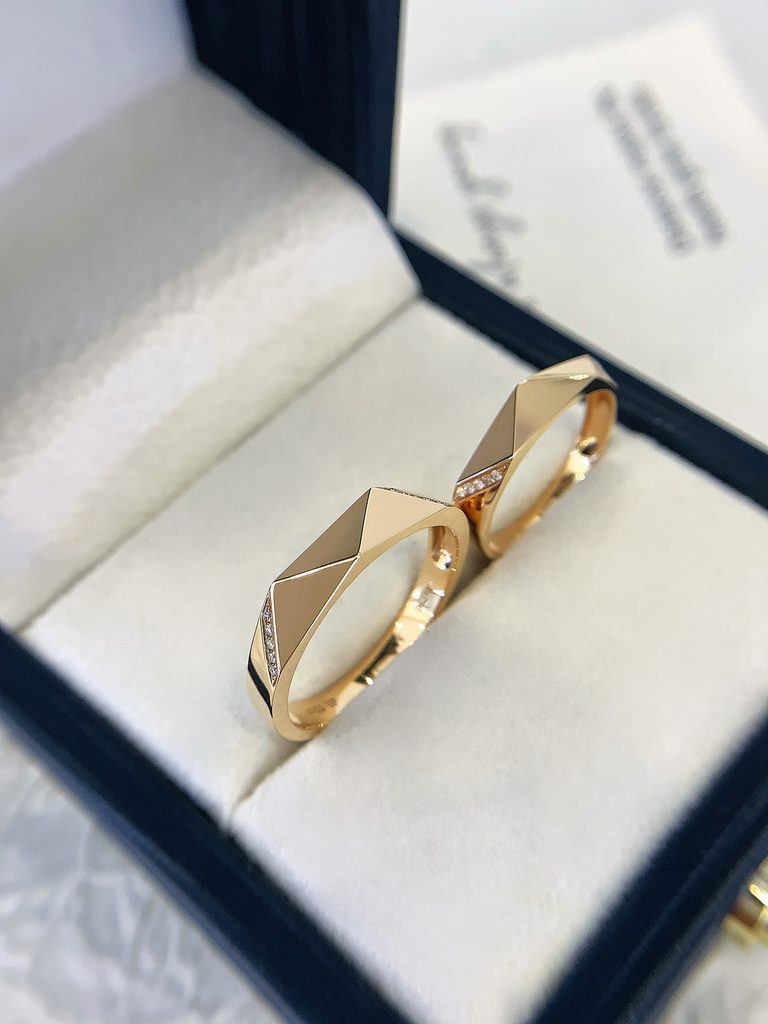
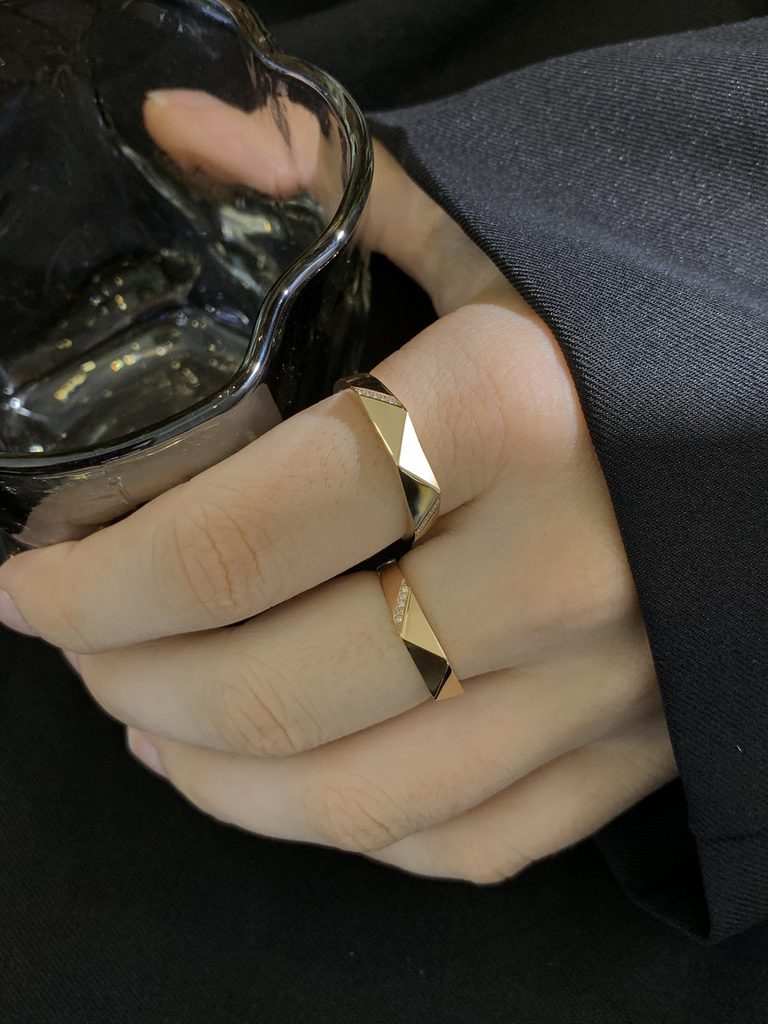
We have specially built a exclusive men’s ring product series to fill the market gap of high-quality male diamond jewelry. wholesale mens rings adopt minimalist business designs, tough geometric outlines, and low-key luxury inlay techniques, abandoning the overly fancy style of traditional women’s diamond rings. Product styles include plain circle men’s diamond rings, partial inlay fashion rings, full inlay luxury rings, and customized engraved men’s rings, which are suitable for men’s daily wear, business commuting, wedding commemoration, and gift-giving scenarios. All men’s ring products support white label brand customization, helping brands expand the male jewelry market and enrich product matrix diversity.

All wholesale ring products adopt standardized SKU classification and unified quality inspection standards, which is convenient for cooperative brands to carry out inventory management and shelf sales. We regularly update product styles according to global jewelry fashion trends, launching seasonal limited styles and popular trend styles to help brands maintain market freshness. Meanwhile, we support personalized parameter adjustment for wholesale products, including ring size modification, diamond cutting optimization, and metal color adjustment, realizing the balance of standardized wholesale efficiency and personalized market adaptation.

Flexible Dropshipping Mode for Global Retail Layout

E-commerce globalization has changed the traditional jewelry wholesale model, and more online retailers and cross-border sellers are choosing zero-inventory operation modes to reduce operational risks and capital pressure. Our white label jewelry dropshipping service is tailored for global e-commerce sellers, social media influencers, and small and medium-sized online jewelry stores, providing one-stop zero-inventory sales support including product stocking, order processing, brand packaging, and global door-to-door delivery.

The dropshipping model completely breaks the inventory limitations of traditional wholesale. Cooperative brands do not need to purchase and stock goods in advance, nor do they need to bear the risk of unsold inventory and capital occupation. After customers place orders on the brand’s sales channel, we directly deliver white-label customized lab-grown diamond rings to end customers with the brand’s exclusive packaging and logo. The whole process does not involve factory information and wholesale price lists, effectively protecting the brand’s profit space and market competitiveness. We support global logistics delivery, covering mainstream regions such as North America, Europe, Southeast Asia, and Oceania, with stable logistics channels and fast delivery efficiency.

In order to adapt to the fast-paced operation of e-commerce, we have optimized the dropshipping service process. All mature white label ring products are in stock for real-time delivery, with the fastest order delivery completed within 24 hours. We provide exclusive brand packaging customization, including customized gift boxes, brand greeting cards, and personalized engraving services, to improve customer shopping experience and brand recognition. Meanwhile, we provide complete product high-definition pictures, detail videos, and professional product descriptions for free, helping sellers quickly build online store shelves and reduce early operation costs.

Full-Cycle Brand Customization and After-Sales Support

A high-quality white-label wholesale solution is not limited to product supply, but also includes full-cycle brand empowerment and after-sales guarantee. We take brand development interests as the core, providing comprehensive customized services for all cooperative clients. In terms of brand presentation, we support laser engraving of brand logos on ring inner rings, customized brand outer packaging boxes, exclusive brand instruction manuals, and customized gift accessories, making each product fully conform to the brand’s market positioning and image style.

In terms of market supporting services, we provide professional product training materials and market sales guidance for cooperative brands, helping sales teams quickly understand product advantages, diamond knowledge, and selling points. For long-term cooperative brands, we support exclusive style customization and private model development, helping brands create differentiated competitive products and avoid homogeneous market competition. We also provide regular market trend analysis reports, assisting brands in grasping consumer demand changes and adjusting product sales strategies in a timely manner.

In terms of after-sales service, we implement a strict quality guarantee system. All wholesale lab-grown diamond rings and dropshipping products enjoy long-term quality maintenance services, including free polishing, size adjustment, and defective product replacement. We have a professional after-sales team to respond to customer demands quickly, solve product quality problems and logistics problems efficiently, and maximize the protection of brand reputation and end-customer experience. This complete service system makes our white-label wholesale lab-grown diamond ring solution the most reliable supply chain choice for global jewelry brands and retailers.

Market Prospects of White-Label Lab-Grown Diamond Ring Wholesale Business

The global lab-grown diamond jewelry market maintains a rapid growth trend, with consumer acceptance continuing to rise. Modern consumers pay more attention to environmental protection, ethics, and cost performance when purchasing diamond jewelry, and lab-grown diamond products perfectly meet this consumption demand. Compared with natural diamond jewelry with high premium and scarce supply, white-label lab-grown diamond rings have obvious advantages in price, quality stability, and product diversity, and have broad market space in mass consumption, light luxury fashion, and personalized customization markets.

The combination of white label mode and dropshipping service further reduces the threshold for jewelry industry entry, enabling more new brands and individual sellers to participate in the market competition. The flexible wholesale mechanism and zero-inventory dropshipping model adapt to the lightweight operation trend of modern retail, helping market players reduce operational risks and improve profit margins. With the continuous upgrading of lab-grown diamond manufacturing technology and the continuous improvement of white label service system, white-label wholesale lab-grown diamond ring products will further penetrate the global market and become the mainstream development direction of the jewelry wholesale industry.

As a professional manufacturer focusing on white-label lab-grown diamond ring production and service, we will continue to optimize production processes, enrich product categories, upgrade service systems, and provide more high-quality, flexible, and personalized one-stop solutions for global cooperative brands. We adhere to the product concept of high quality and high cost performance, and the service concept of customer first, to help every cooperative brand quickly occupy market share and realize sustainable business growth in the competitive jewelry market.

Strategic Timing for Bulk Orders of Lab‑Grown Diamond Rings

Global jewelry operators constantly search for balanced approaches to inventory investment, avoiding overstock risk while securing favorable unit pricing on finished ring goods. Timing stands as one of the most undervalued variables within diamond jewelry procurement, directly shaping landed costs, production lead‑times, and overall profit potential. Many market participants focus solely on unit price negotiation without mapping market cycles, seasonal demand shifts, and factory capacity fluctuations, which can erode margins even with seemingly attractive per‑piece rates. This article breaks down actionable perspectives on when to commit to large‑volume ring orders, drawing from real‑world production cycles, supply‑and‑demand shifts, and practical lessons accumulated from consistent order execution across international markets. Understanding these dynamics allows buyers to allocate capital wisely, reduce delivery delays, and align incoming inventory with actual consumer purchasing rhythms.

Seasonal Demand Cycles That Shape Ring Inventory Planning

Consumer buying patterns create predictable waves across bridal and fashion jewelry categories, and these patterns ripple backward through every production stage. Bridal‑oriented ring sales normally surge from late autumn through early spring, driven by holiday‑season proposals, Valentine’s Day engagements, and spring wedding preparations. Retail locations ramp up stock levels ahead of these high‑traffic windows, which creates heavier order inflows for production facilities. Factories stretch capacity during these peak months, extending lead‑times and reducing flexibility for custom adjustments or last‑minute specification tweaks. Buyers who place large orders right before peak retail seasons often face longer waiting periods and limited ability to negotiate extra concessions, since production lines are already fully occupied.

Off‑peak months present contrasting conditions. Consumer bridal activity softens significantly during mid‑summer in most western markets, and order volumes flowing into production facilities drop accordingly. Available manufacturing capacity expands, and factories are more open to flexible terms for sizable commitments placed during quieter trading periods. This does not mean buyers should fill warehouses with excessive stock simply because conditions appear favorable. Every bulk commitment carries holding costs, insurance expenses, and potential depreciation risks as stone pricing evolves across calendar quarters. Thoughtful planning balances cost‑saving opportunities against realistic sell‑through projections for each market. Wholesale ring timing combines external seasonal signals with internal sales history, so buyers avoid making procurement decisions based only on general industry calendars. Operators must review their own historical sales datasets to identify local high‑demand periods, as regional cultural habits can shift peak selling windows away from widely‑reported global patterns.

Supply‑Side Factors Influencing Bulk Order Cost Outcomes

Finished ring pricing does not move independently from loose lab‑grown diamond availability, metal material fluctuations, and workshop loading schedules. Expanded CVD and HPHT diamond reactor output can increase stock levels for calibrated stone sizes, creating downward pressure on component costs when supply outpaces immediate consumption. Periods with accumulated loose‑stone inventory give production operations room to extend volume‑based discounts for complete finished ring lots. Conversely, sudden spikes in demand for particular carat weights or fancy shapes can tighten accessible stock pools, pushing component costs higher and limiting discount eligibility even for large‑size orders.

Precious metal volatility adds another layer of complexity. Gold and platinum raw material prices shift continuously, and these movements directly modify final production quotes for ring assemblies. Quotes remain valid for limited time windows, and large‑volume commitments locked during favorable metal price points can preserve substantial total project value. Currency exchange movements further modify effective landed costs for cross‑border buyers, especially for buyers paying in currencies separate from factory quotation currencies.

Production‑schedule rhythm also deserves careful consideration. Many production sites complete equipment maintenance and process optimization during specific calendar intervals. Orders placed shortly after maintenance cycles benefit from stable equipment performance and consistent quality output across full order runs. Rush orders squeezed into gaps between priority customer runs carry elevated risk of extended delays or minor consistency deviations. Buyers who map these operational rhythms can structure their order submission to fit natural workflow openings. Bulk lab diamond rings gain maximum value when ordered during overlapping windows of ample loose‑stone supply, stable metal pricing, and open workshop capacity.

Evaluating Order Windows Around Industry Trade Event Cycles

International jewelry trade events generate distinct procurement behaviors that affect market conditions for weeks before and after each show. Buyers travel to expos to view new collections, lock in upcoming‑season assortments, and confirm long‑term supply arrangements. Large numbers of purchase commitments get logged in the weeks immediately preceding major trade gatherings. Production facilities allocate substantial capacity to fulfill these newly confirmed orders, which can slow turnaround for incoming requests submitted right around event dates.

Interesting opportunities emerge in the period immediately following key industry expos. Many operators return from trade shows with revised forecasts, cancel tentative provisional orders, or adjust assortment plans, leaving behind freed‑up production capacity. Some finished‑goods inventory reserved for show display also becomes available for prompt shipment. This post‑event window can deliver attractive conditions for well‑prepared buyers. Buyers should avoid assuming post‑show markets always bring steep price drops. Conditions vary heavily based on whether overall industry demand was strong or soft during the exhibition itself.

Smart operators use trade event timelines as information markers rather than simple order triggers. They gather updated product samples, confirm latest grading specifications, review newly released designs, and update market intelligence during expos, then finalize formal bulk purchase once they return and complete internal budget validation. This approach gathers all necessary market intelligence without competing against the flood of last‑minute orders submitted right before exhibition opening dates. Factory diamond engagement rings frequently feature prominently within trade‑show assortments, and post‑show periods can offer enhanced access to popular proven styles without the heavy order congestion experienced pre‑event.

Balancing Volume Discount Benefits Against Inventory Depreciation Risks

Volume‑tiered pricing delivers clear per‑unit savings for larger order quantities, yet larger inventory positions bring measurable financial risks. Lab‑grown diamond market conditions continue to evolve, and historical industry cycles show consistent price compression as production technologies advance and overall supply expands. Inventory held for extended periods can face replacement‑cost shifts, which impacts margin calculations when those goods eventually reach retail customers. Holding capital in slow‑moving stock also prevents investment into newer high‑velocity designs that match shifting consumer preferences.

Every buyer needs clear internal metrics to judge acceptable inventory turnover rates. Core popular styles in accessible carat ranges generally support larger batch sizes, as these SKUs maintain steady sell‑through performance across most market environments. Highly specialized designs targeting narrow audience segments require more conservative order volumes, even when volume discount thresholds appear tempting. Mixed‑assortment bulk orders represent a practical middle path, combining solid quantities of top‑performing items with limited test quantities for emerging styles. This structure captures volume pricing advantages while limiting over‑exposure to unproven designs.

Certification consistency represents another critical detail for large‑lot planning. Reputable finished ring lots should carry matching‑standard grading documentation, mostly IGI or GIA certification for global retail distribution. When placing sizable orders, confirm that grading parameters across the full lot will stay uniform. Variations in color, clarity, or cut quality scattered through one bulk shipment create retail‑floor complications and undermine customer trust. Negotiate clear quality tolerances before order confirmation rather than resolving discrepancies after manufacturing completes. wholesale lab grown diamond rings achieve their full profit potential only when volume savings are not offset by inventory depreciation, slow turnover, or inconsistent quality within delivered lots.

Practical Implementation Steps for Optimized Bulk Order Execution

Successful timing strategy relies on structured preparation rather than reactive spot buying. Build a rolling twelve‑month procurement calendar that overlays seasonal retail demand patterns, expected factory‑capacity shifts, metal price trends, and internal sales turnover metrics. Mark preferred ordering windows and secondary backup windows, so alternative options exist if market conditions shift unexpectedly. Maintain open ongoing communication so you receive advance notice about upcoming loose‑stone stock fluctuations, scheduled workshop maintenance, or projected lead‑time adjustments.

Before submitting any large commitment, complete multi‑faceted cost calculation beyond basic unit price. Calculate total landed expenses including shipping, applicable import duties, third‑party inspection costs, and projected warehousing holding expenses. These aggregated numbers deliver true cost comparisons between different order timing scenarios, instead of focusing purely on quoted per‑piece values. Request small pre‑production sample units whenever possible to validate finish quality, stone setting security, and overall craftsmanship before full‑scale production begins.

Build flexibility into every procurement plan. Even thorough forecasting cannot eliminate all market uncertainty. Work out feasible partial‑shipment arrangements where applicable, allowing partial inventory delivery aligned with retail selling waves instead of receiving the complete bulk quantity all at once. This tactic reduces capital tie‑up and warehouse pressure while still securing volume‑based pricing terms. Track performance metrics for every completed bulk purchase, documenting lead‑time accuracy, quality consistency, sell‑through speed, and realized margin outcomes. Recorded historical data continuously improves future timing decisions and sharpens forecast accuracy for subsequent procurement cycles.

Buyers who master strategic timing do not chase hypothetical lowest‑possible spot prices. They recognize that optimal bulk outcomes combine favorable unit rates, dependable delivery schedules, consistent product quality, and inventory aligned with real‑world consumer demand. Each purchasing decision exists within a larger market context, and thoughtful timing unlocks value that negotiation alone cannot accomplish.

Practical Buying Guide For Independent Jewelry Retailers

Running a physical or online jewelry store brings unique challenges around stock planning, supplier evaluation, and balancing consumer demand against limited operating capital. Many store operators learn costly lessons through trial‑and‑error, overinvesting in slow‑moving lines or partnering with suppliers who cannot deliver consistent product quality. This guide delivers field‑tested buying insights built from hands‑on production experience, covering category selection, quality verification, contract terms, and risk‑mitigation tactics that help stores maintain steady cash flow and satisfy diverse customer groups. independent jewelry retailers face constant pressure to compete against large chain outlets and online marketplaces, so every purchasing decision directly shapes long‑term store viability.

Map Customer Demand Before Placing Large Purchase Orders

Successful procurement starts with clear understanding of who walks through your doors and what they actively search for. Review twelve months of historical sales records to separate steady sellers from decorative inventory that sits on display without conversion. Bridal demand remains a core revenue stream for most fine‑jewelry locations, alongside everyday wearable pieces and gift‑oriented items. You should break down your audience into distinct segments: bridal shoppers seeking commitment jewelry, male buyers shopping for self‑wear or gifts, casual customers looking for accessible fashion fine jewelry, and collectors chasing distinctive hard‑to‑source designs.

Set realistic price tier boundaries for each segment rather than ordering items simply because wholesale prices appear attractive. Avoid filling shelves with overly similar designs that cannibalize your own sales. Industry practical experience suggests allocating most purchasing budget to proven high‑velocity SKUs, while reserving a smaller portion for experimental new styles that help your store stand out from nearby competitors. Document preferred metal types, popular stone shapes, and common carat ranges from past customer inquiries, this reference file prevents impulse buys that lock capital into merchandise your market will not embrace. When you complete this demand mapping exercise, you move forward with targeted independent jeweler sourcing instead of generic blind bulk buying.

Assess Quality Standards For High‑Value Bridal Inventory

Bridal categories carry higher average order values and stronger customer emotional attachment, which also raises expectations for material integrity and documentation. When reviewing lab diamond engagement rings wholesale offerings, never base judgments exclusively on digital photos or spreadsheet pricing sheets. Visual discrepancies between screen images and physical finished goods happen frequently in cross‑border supply chains. Request physical sample units for hands‑on inspection before committing to sizable orders. Each diamond should come with formal third‑party grading reports from widely‑recognized laboratories such as IGI or GIA, with every stone individually certified instead of relying on generalized batch documentation.

Pay close attention to cut performance beyond printed grading grades. Poorly executed cuts create visible light leakage, making stones appear dull under retail display lighting even if color and clarity metrics look favourable on paper. Inspect mounting craftsmanship, check solder joints, prong tightness, surface polish, and verify that plating thickness meets long‑term wear expectations. Ask suppliers to disclose diamond growth methods, distinguishing CVD versus HPHT origins clearly on accompanying paperwork. Clarify return policies for grading mismatches or manufacturing defects upfront. Bridal customers hold retailers accountable for every detail of their engagement purchase, so thorough pre‑order quality checks drastically lower future return rates and preserve your store’s local reputation.

Expand Male‑Focused Assortment With Careful Wholesale Evaluation

Men’s fine‑jewelry demand keeps climbing across global retail markets, yet many local shops maintain limited selections and miss reliable revenue opportunities. When exploring mens rings wholesale options, think beyond simple plain band styles. Modern male buyers seek textured surfaces, engraved details, mixed‑metal finishes, and stone‑set designs spanning casual daily wear to milestone celebration pieces. Metal options span sterling silver, gold fill, solid 10‑kilogram, 14‑kilogram and 18‑kilogram gold, alongside durable titanium and tungsten alternatives for budget‑conscious shoppers.

Watch for common wholesale pitfalls within this category. Tungsten rings cannot be resized, so you need broad ring‑size coverage rather than limited standard sizing. Low‑cost plated male rings often show heavy wear and chipping after short‑term everyday use, generating customer complaints. Compare unit cost against expected retail selling price to confirm acceptable gross profit margins. Request samples to test scratch resistance and finishing consistency across different production batches. Mix core staple band styles with limited‑edition statement pieces, and keep total initial order quantities manageable so you avoid overstocking sizes that rarely sell. Thoughtful curation of men’s ring inventory opens fresh revenue streams without unnecessary capital exposure.

Evaluate Supplier Competency Beyond Unit Pricing

Low unit prices can seem compelling, yet weak supplier performance creates far greater financial harm through delayed shipments, inconsistent batches, high defect ratios, and unresponsive support. Build a shortlist of potential partners and run consistent evaluation checks for every candidate. Confirm production capacity matches your order volume forecasts, verify they can handle small test orders as well as larger restock runs as your business expands. Ask to review recent customer references from comparable retail operations.

Clarify all commercial terms in written communication. Confirm minimum order thresholds, production lead‑times, shipping protocols, insurance coverage for high‑value parcels, and fault‑item replacement procedures. Reliable partners will openly discuss material composition, certification workflows, and possible custom modification options for private‑label needs. Be cautious of vendors pushing massive one‑time orders before you have tested physical samples. Transparent communication and consistent output matter more than the lowest per‑piece cost on a price sheet. A trustworthy supply partner evolves alongside your store and reduces many operational headaches over years of cooperation.

Optimize Inventory Turnover And Guard Cash Flow

Jewelry inventory consumes substantial working capital, so turnover management directly decides business health. Fine jewelry typically sees slower turnover compared to fast fashion goods, which means poor buying decisions tie funds up for extended periods. Create practical buying budgets separated by product category, and enforce spending limits strictly. Track sales velocity for every SKU you carry, identify slow‑moving stock early, and adjust future purchasing accordingly.

Use test‑order strategies for new product lines. Place modest opening orders to gauge real‑world customer reaction before scaling up volume. This tactic works equally well for bridal collections, men’s rings, and fashion fine‑jewelry lines. Plan purchasing timelines around key retail seasons, placing production orders far enough ahead to avoid rush‑fee surcharges and delivery delays. Build small contingency budgets for custom special‑order requests, as custom jobs represent meaningful sales for neighborhood jewelry stores. Avoid liquid capital being trapped in piles of unsold inventory, which leaves you unable to restock fast‑selling items or respond to emerging consumer trends.

Mitigate Risks Associated With Custom And Private‑Label Projects

Many stores grow their differentiation by offering exclusive private‑label pieces unavailable to competing local shops. Custom and private‑label work brings higher profit potential, yet it also carries unique risks. Clearly finalize technical specifications including metal alloy details, stone parameters, engraving content, surface finishing, and sample approval steps before production begins. Lock down every requirement in written documentation, including visual reference images, dimension measurements, and quality acceptance criteria.

Inspect pre‑production samples meticulously. Do not authorize mass manufacturing until you are fully satisfied with sample appearance, weight, fit, and craftsmanship. Confirm intellectual property terms to prevent copied designs from circulating widely to competing retail outlets. Understand production lead‑time variance, allow buffer windows for unforeseen adjustments. Discuss defect‑handling protocols for custom runs, because remaking large custom batches creates significant expense for both sides. When managed carefully, private‑label offerings help your store build distinct brand identity and foster stronger loyalty among local clientele.

Build Long‑Term Procurement Strategies For Sustainable Growth

Procurement should never operate as one‑off transaction work. Treat purchasing as ongoing strategic work that evolves together with your store’s shifting customer base. Schedule periodic reviews of your whole product assortment, retire styles that consistently underperform, and allocate freed‑up budget toward rising‑demand categories. Stay informed of material‑market shifts that shape wholesale pricing, so you can adjust retail pricing and buying timing appropriately.

Maintain multiple qualified supplier contacts for core product categories. Having alternative sources protects you against factory delays, supply disruptions, or quality drift from existing partners. Keep organized records of every order, sample feedback, defect instances, and term negotiations. These accumulated notes become your internal knowledge library, helping you make sharper buying decisions year after year. Balance stable repeat‑order staples with controlled exploration of emerging styles to keep your store offering feeling fresh for returning visitors. Thoughtful, well‑researched buying builds stable profit margins, protects your reputation, and lays solid groundwork for lasting retail success.

Benefits of Wholesale Lab‑Grown Diamond Rings for Your Shop

Jewelry retail landscapes keep transforming as modern shoppers re‑evaluate what they expect from fine diamond jewelry. More store operators recognize that expanding ring selections beyond traditional mined diamond pieces unlocks untapped sales potential and draws in visitor groups that rarely converted before. Today’s shoppers weigh ethical credentials, accessible price tiers, visual brilliance and certified quality equally when browsing ring displays, and lab‑grown diamond goods satisfy most of these critical buying requirements. Adding carefully curated lab‑grown diamond ring stock does not mean abandoning existing natural diamond offerings. Instead, it builds a balanced product portfolio that lets your shop cater to diverse budgets, personal tastes and value priorities without overextending capital resources. Retail spaces of every scale, from small neighborhood boutiques to multi‑location fine jewelry outlets, can capture tangible commercial gains when they integrate these contemporary diamond rings thoughtfully into existing floor plans and sales workflows.

Expanded Customer Demographics And Broader Market Reach

Modern diamond buyers no longer fit narrow old‑world profiles focused exclusively on high‑end mined diamond bridal purchases. Large segments of today’s shoppers actively seek diamond rings for self‑gifting, anniversary milestones, promise occasions and everyday wear, alongside classic engagement use cases. Younger consumer groups including millennial and Gen Z shoppers represent a fast‑growing share of diamond‑buying audiences, and many of these individuals prioritize transparent sourcing alongside sparkling visual performance when selecting fine jewelry pieces. Many prospective customers walk into jewelry stores eager to own genuine diamond rings but cannot afford the steep entry price points attached to comparable mined diamond alternatives. Without lab‑grown diamond options available on your shelves, these potential buyers will leave empty‑handed and complete their purchases through competing retail outlets or digital platforms.

Male diamond jewelry demand continues steady year‑over‑year growth, as more men shop for statement rings, wedding bands, anniversary gifts and self‑selected fine jewelry pieces. Mens diamond rings wholesale delivers ready‑to‑sell finished styles ranging from minimalist signet settings to bold channel‑set band designs, giving retailers simple access to masculine‑oriented inventory that historically required lengthy custom lead times. These rings fit multiple buying scenarios: grooms shopping for wedding bands, men treating themselves to meaningful keepsake jewelry, and customers purchasing gifts for male partners or family members. Introducing these SKUs fills gaps within typical store assortments where masculine diamond ring choices remain limited. When your shop carries varied lab‑grown diamond rings for all genders and occasions, you capture impulse traffic and repeat visits from shoppers who previously could not locate suitable merchandise within local physical stores. You also create opportunities for cross‑selling; customers shopping for an engagement ring often explore matching wedding bands or fashion rings during the same in‑store visit.

Strong Profit Potential With Controlled Inventory Risk

Profit health remains one of the most practical considerations for every jewelry shop when assessing new product categories. Lab‑grown diamond rings carry substantially lower acquisition costs versus mined diamond rings with identical cut, color, clarity and carat specifications. This fundamental cost difference creates two flexible pathways for retail operators. Stores can either maintain competitive retail pricing to attract price‑sensitive buyers while holding comfortable gross profit margins on each transaction, or they can offer larger diamond carat sizes at familiar price brackets to upsell customers who want more prominent stone appearances. Neither strategy forces shops to sacrifice healthy returns on sold units.

Thoughtful inventory management prevents common pitfalls many retailers encounter when bringing new fine jewelry lines into stock. Reliable supply streams support reasonable minimum order volumes, so you do not need to sink massive capital into bulky initial stock piles before testing market reaction inside your local trade area. You can start with a balanced sample assortment covering popular carat weights, metal finishes and setting styles, then re‑order top‑performing designs based on real‑world in‑store sales feedback rather than speculative forecasting. This approach cuts down capital tied up in slow‑moving inventory and lowers financial exposure. Consistent stone quality represents another key advantage. Modern lab‑grown diamond production yields highly uniform gemstone grading, so you avoid frustrating inconsistencies between sample images and physical finished goods reaching your retail premises. Every ring delivered matches certification documentation, simplifying staff education and customer confidence during sales conversations. lab diamond wholesale rings include comprehensive certified options spanning CVD and HPHT produced stones, giving retailers flexible sourcing solutions for every price tier within their ring collection.

Ethical And Transparent Product Story To Support In‑Store Selling

A compelling product narrative helps your sales team connect emotionally with visitors walking through your doors. Many current‑day consumers research jewelry sourcing practices before they commit to high‑value purchases. Lab‑grown diamonds form inside controlled manufacturing environments, free from the social and environmental concerns frequently associated with traditional diamond mining operations. This clean origin story gives your staff genuine talking points to share with ethically motivated shoppers who actively inquire about supply chain backgrounds. Sales associates can explain technical facts about lab‑grown diamond formation, point to printed certification documents, and clarify that physical optical properties, hardness and durability match mined diamond characteristics exactly.

Honest communication builds lasting customer trust. You do not need to position lab‑grown diamond rings as superior replacements for mined diamonds. Instead, frame them as a valid alternative choice for buyers whose personal priorities align with accessible pricing and transparent production. Shoppers appreciate straightforward information that empowers them to make purchase decisions aligned with their own values. When your team confidently explains lab‑grown diamond facts, your store builds a reputation for integrity, which drives word‑of‑mouth referrals and encourages future return visits for repairs, upgrades and additional jewelry purchases. Customers who enjoy positive buying experiences often share their impressions with friends, family and social media circles, bringing fresh foot traffic toward your physical location.

Wide‑Ranging Design Flexibility Across Ring Collections

Retailers gain extensive design flexibility when building lab‑grown diamond ring assortments. Stones are available across every standard shape including round brilliant, cushion, oval, princess, emerald and fancy color variations. This broad stone selection supports bridal engagement rings, classic solitaire bands, halo‑style rings, pavé fashion rings, full‑eternity wedding bands and bold statement‑focused pieces. Metal options cover 10K, 14K, 18K yellow, white and rose gold alongside sterling silver bases, allowing you to construct tiered collections spanning entry‑level fashion fine jewelry all the way up to premium‑priced luxury offerings.

Ready‑made finished rings support fast restocking for fast‑selling silhouettes. Custom‑adaptable base settings also exist for retailers wanting to offer personalized engraving, stone swaps or size adjustments for local clientele. You can blend ready‑to‑ship inventory with made‑to‑order capability to balance quick shelf availability and bespoke customer requests. Mixing multiple design aesthetics helps your shop appeal to varied aesthetic preferences. Minimalist thin‑band solitaire models attract understated bridal shoppers. Chunky multi‑stone rings resonate with trend‑driven fashion‑forward buyers. Robust men’s band styles fill the previously mentioned gap for masculine diamond jewelry demand. Maintaining design variety ensures that first‑time diamond buyers, anniversary shoppers, bridal couples and gift‑seekers all find relevant ring options during their store visits.

Practical Guidance For Smooth In‑Store Implementation

Adding lab‑grown diamond rings works best when paired with small operational adjustments inside your retail space. Invest time in product knowledge training for every team member who interacts with customers. Staff should comfortably discuss diamond grading reports, production methodologies, core product differences and appropriate comparative talking points between lab‑grown and mined diamond merchandise. Avoid exaggerated claims; stick strictly to factual descriptions of gemstone hardness, visual performance and sourcing background. Thoughtful visual merchandising strengthens sales performance. Display lab‑grown diamond rings alongside comparable mined diamond pieces so customers can make direct visual comparisons. Clear, uncomplicated shelf signage can note certification availability without overwhelming shoppers with dense technical text.

Track sales metrics closely after rolling out your new ring assortment. Monitor sell‑through rates for individual styles, note which carat sizes and metal finishes generate most customer interest, and observe which customer segments gravitate toward lab‑grown selections. Use these real‑world observations to refine future purchasing decisions. Discontinue underperforming designs and increase stock volume for fast‑moving items. Maintain open communication with your supply source about lead‑time expectations, certification standards and return protocols for defective goods. Responsible inventory planning also means educating customers about resale realities for lab‑grown diamond jewelry, so buyer expectations stay realistic from point‑of‑sale. Transparency on this topic protects your store’s long‑term reputation and prevents disappointment further down the line.

Integrating lab‑grown diamond rings represents a forward‑thinking strategic move for modern jewelry shops. It expands your addressable audience, creates healthy profit opportunities, supplies compelling ethical storytelling, delivers rich design diversity and strengthens overall store competitiveness within crowded retail markets. Shops that overlook this growing product category risk losing meaningful volumes of bridal, fashion and gift‑oriented diamond ring business to competitors who embrace evolving consumer preferences. By building out a well‑balanced, thoughtfully sourced ring inventory, your store positions itself to capture current‑day demand while laying solid groundwork for sustained sales growth through future market shifts.

How To Source Reliable Wholesale Lab Grown Diamond Rings For Your Jewelry Business

Understand Market Demand And Core Product Positioning For Bulk Diamond Ring Sourcing

Modern jewelry consumers are increasingly shifting toward sustainable, cost-effective, and high-quality lab grown diamond jewelry, making wholesale procurement of these pieces a core growth strategy for jewelry businesses worldwide. As a professional manufacturer specializing in lab grown diamond production and finished ring customization, we have witnessed a steady surge in market demand for large-carats, premium-grade lab grown diamond rings among retail jewelers, boutique brands, and online jewelry sellers. Unlike natural diamonds with fluctuating prices, limited supply, and ethical controversies, lab grown diamonds deliver identical physical, optical, and chemical properties at a fraction of the cost, creating enormous profit margins for jewelry retailers.

To build a competitive product lineup, jewelry business owners must first clarify their target customer groups and product positioning. Mid-to-high-end jewelry markets show strong preference for large-carat statement rings, which have become top-selling items for offline boutiques and luxury online jewelry stores. Among all popular specifications, lab grown 5 carat diamond ring stands out as a flagship product that attracts high-end consumers, boosts brand grade, and drives overall store sales. Mastering the sourcing rules and quality standards of this core product is essential for jewelry businesses to occupy high-end market share and form differentiated competitive advantages.

Master Professional Quality Standards For Wholesale Lab Grown Diamond Procurement

Quality consistency is the cornerstone of long-term cooperation between jewelry retailers and diamond manufacturers. Many new jewelry business owners encounter operational risks such as inconsistent stone color, poor cutting workmanship, and mismatched certification information due to blind bulk sourcing. As a seasoned manufacturer, we strictly implement international gemstone grading standards in all production links to ensure every wholesale product meets global sales requirements.

When screening suppliers, businesses must prioritize manufacturers with complete independent production chains, covering diamond growth, cutting, polishing, inlaying, and finished product inspection. All qualified lab grown diamonds must be certified by authoritative institutions including IGI, GIA, or HRD, with detailed grading reports recording color, clarity, cut, and carat parameters. For bulk procurement scenarios, standardized quality control processes can effectively avoid batch quality differences. Professional manufacturers conduct multi-layer manual and machine inspections before delivery, eliminating defective products with poor light performance, surface scratches, or asymmetric cutting.

For large-carat product procurement, quality inspection standards need to be further refined. The craft and material requirements of 5 carat diamond rings are far higher than small and medium-sized carat products, and minor flaws will significantly affect the overall texture and market value of the finished jewelry. Businesses need to focus on the four core indicators of diamond grading, especially cut grade, because excellent cut craftsmanship determines the fire and brilliance of large-carat diamonds, which is the key to attracting end consumers.

Analyze Pricing Factors And Cost Control Strategies For Bulk Orders

Price transparency and cost controllability are the core advantages of choosing lab grown diamond wholesale channels. Compared with the opaque pricing system of natural diamonds, lab grown diamond prices are stable and affected by clear factors including carat weight, color grade, clarity, cut quality, and production technology. For jewelry businesses, grasping the pricing rules of mainstream products is the key to optimizing procurement costs and improving profit margins.

5 carat lab grown diamond price is affected by multiple dimensional factors in the manufacturing process. High-end 5 carat lab grown diamonds with D-F color, VVS-VS clarity, and excellent cut grades adopt advanced CVD or HPHT growth technology, with higher production costs and stricter yield standards, so their wholesale prices are relatively high. In contrast, medium-grade products with G-H color and SI clarity are more cost-effective and suitable for mass market sales. As a manufacturer, we provide hierarchical pricing systems for different grades of large-carat diamonds, allowing retailers to match products according to their own market positioning and customer consumption levels.

Bulk wholesale procurement can further reduce unit procurement costs. Formal manufacturers will launch preferential price policies for large-quantity and long-term cooperative customers, and support customized configuration of diamond grades and metal ring settings. Reasonable batch ordering can help jewelry businesses avoid excessive inventory pressure while ensuring stable product supply, realizing the balance of cost control and sales volume growth.

Identify Reliable Manufacturer Channels For Stable Wholesale Cooperation

Choosing the right cooperative manufacturer determines the long-term operational stability of the jewelry business. The market is flooded with intermediate distributors and small processing workshops, which often have problems such as unstable supply, non-standard quality, and incomplete after-sales service. Direct cooperation with professional production manufacturers can effectively avoid these risks and obtain more authentic wholesale prices and professional technical support.

Wholesale lab grown diamonds sourced from formal manufacturers feature complete traceability of production sources, standardized quality inspection procedures, and flexible order mechanisms. Powerful manufacturers have independent diamond growth bases and processing factories, with sufficient raw material reserves to support long-term bulk orders and customized orders of various specifications. Whether customers need conventional finished diamond rings or personalized customized styles, they can get accurate production and delivery solutions from direct manufacturers.

When screening cooperative manufacturers, businesses should focus on inspecting enterprise qualifications, production scale, certification completeness, and customer service cases. Reliable manufacturers can provide real factory inspection videos, product certification samples, and batch quality inspection reports, and support trial order cooperation. Small-batch trial orders can help retailers verify product quality, delivery speed, and service level, laying a foundation for subsequent large-scale long-term cooperation.

Optimize Bulk Order Solutions For Large Carat Lab Grown Diamond Products

Large-carat lab grown diamond rings are high-value and high-profit core products, so the order strategy needs to be more precise and professional. Many jewelry businesses fail to maximize profit margins due to unreasonable ordering specifications and insufficient understanding of product market adaptability. As a manufacturer with years of large-carat diamond production experience, we have summarized mature bulk order solutions for industry customers.

5 carat lab grown diamond wholesale requires targeted configuration according to regional market consumption habits and sales scenarios. For high-end physical stores and luxury custom jewelry brands, it is recommended to purchase high-grade products with D-E color, VVS1-VVS2 clarity, and excellent cut, matched with 18K gold or platinum ring settings, to create high-end customized jewelry series. For online mass sales and light luxury jewelry markets, medium-grade products with F-G color, VS clarity, and very good cut can be selected, which balance quality and cost and have higher market acceptance.

In addition to diamond grade matching, ring style diversification is also an important part of bulk sourcing. Classic four-claw and six-claw styles are versatile and suitable for most consumer groups, while hollow out, micro-set, and halo styles can meet personalized consumption needs. Professional manufacturers support mixed batch ordering of multiple styles and grades, helping businesses en-rich product categories and cover more consumer groups. Meanwhile, manufacturers can provide professional packaging, certificate matching, and one-stop after-sales services such as product maintenance guidance, reducing the operational burden for jewelry retailers.

Guarantee Long Term Business Growth Through Standardized Sourcing And Cooperation

Sourcing reliable wholesale lab grown diamond rings is not a one-time procurement behavior, but a long-term strategic cooperation layout for jewelry businesses. With the continuous expansion of the lab grown diamond jewelry market, consumer requirements for product quality, certification authority, and style innovation are constantly improving. Only by establishing long-term stable cooperative relations with standardized manufacturers can jewelry businesses maintain product competitiveness and market stability.

Formal manufacturers will continue to launch new styles and upgrade product technology according to market trends, helping retailers keep up with consumer demand changes. At the same time, standardized after-sales mechanisms such as defective product replacement, regular product updates, and professional market sales guidance can help jewelry businesses reduce operational risks and improve sales conversion rates. In the highly competitive jewelry market, standardized procurement channels, stable product quality, and cost-effective pricing advantages will become the core competitiveness for jewelry businesses to achieve sustainable development.